
Teoría y práctica para entender cómo sentirte mejor y efectivamente empezar a hacerlo.
Incluye:
- Lo que el cuerpo sabe
- Lo que el cuerpo sabe | Cuaderno de ejercicios para sentirte mejor
This content was translated using artificial intelligence and may therefore contain errors.
In the summer of 1966, Angus Barbieri traveled to Spain to celebrate. He was 28 years old and had just made it into the Guinness Book of Records, so he wanted to finally enjoy a vacation. On that trip, he ate seafood and paella, walked the streets under the Mediterranean sun, and, for the first time in a long while, was able to walk without feeling that everyone was watching him. For years, his body had been the subject of sidelong glances, hushed whispers, and jokes disguised as humor. Eating, sitting down, or simply climbing a flight of stairs became acts exposed to other people’s judgment. Over time, shame pushed him further and further inward: until just over a year earlier, he had barely left his house. Angus lived in Tayport, a small coastal town in eastern Scotland, where his family—of Italian origin—ran a shop serving traditional British food. The main dish was fish and chips: fillets of white fish (usually cod or hake), battered and deep-fried, served with thick, golden chips. It came wrapped in paper, in generous portions, piping hot, with the essential touch of salt and malt vinegar. Life in that shop didn’t just shape his schedule; it shaped his body, too. Angus had been fat since he was little, but by 27 he weighed more than 200 kilos. He had trouble walking, couldn’t get through certain hallways, and could no longer find clothes that fit. He felt trapped in his body, and his size had become a barrier to moving around, working, and connecting with other people.
On June 14, 1965, Angus showed up at Dundee Hospital with a proposal that left the doctors bewildered. He didn’t want a diet, an exercise routine, or a gradual plan: he wanted to stop eating for as long as it took for his body to change. So he asked the doctors to help him stay alive while he tried. What followed was one of the most extreme experiments ever recorded on the human body under controlled medical conditions. For 382 days, Angus ate no solid food. He drank only water, tea, black coffee, and a few supplements to prevent deficiencies, and every so often he went to the hospital for health checks that included weigh-ins, blood pressure readings, and blood and urine tests. When his body reached the target weight set by the team—about 82 kilos—the experiment stopped. He had done it. But his return to food wasn’t immediate or spectacular. When he tried his first bite—a boiled egg with buttered bread—he said he’d already forgotten what food tasted like.
Angus wasn’t the first person to try to stop eating to lose weight: other cases of prolonged fasting had been documented before him, some with successful outcomes and others ending in tragedy.Although it has become popular in recent years, intermittent fasting does not seem to be more effective than traditional calorie restriction for reducing body fat when the two strategies are compared at the same level of energy deficit. The most important factor seems to be long-term adherence. However, fasting may provide certain additional metabolic benefits in some cases, such as improved insulin sensitivity or the activation of cellular processes like the autophagy.
But his story—recorded in medical journals and celebrated by Guinness—was cited for years as proof of what the human body can withstand and as an example of what anyone could achieve. Rather than being understood as a clinical rarity, his case became a symbol of individual discipline. A reminder that losing weight is just a matter of willpower. That apparently logical message supports one of the cruelest ideas surrounding obesity: that fat people are fat because they don’t try hard enough. That they’re lazy, idle, or out of control. That if they don’t lose weight, it’s because they don’t want to. And so a deeply complex human experience is reduced to a moral failing, while everything else—biology, family history, environment, mental health, and social inequality—is left out of the picture, reinforcing a deeply fatphobic culture that seeps into every corner of our society, including healthcare clinics.
Weight-loss reality shows , like Cuestión de peso in Argentina or The Biggest Loser in the United States, are perhaps the most explicit expression of this narrative. They don’t just put bodies on display for public judgment; they turn them into entertainment. In front of the cameras, millions of people watch a group of contestants undergo exhausting exercise routines, restrictive diets, and daily weigh-ins, all under the watchful eyes of trainers, doctors, and an audience that applauds progress and condemns setbacks. The spectacle is dressed up as a noble health intervention, claiming to put a public health problem on the table and offer contestants access to an interdisciplinary team of professionals they otherwise couldn’t have afforded. But on these shows, health is reduced to what the scale says, regardless of other factors like psychological well-being or muscle strength. And since television has its own rules, interventions that undermine the dignity of people with obesity are carried out to keep the ratings up. I especially remember one scene that stuck with me. A contestant was locked in a cage, and on the other side of the bars one of the show’s doctors held up a giant chocolate bar and asked if he wanted it. He said no, but the doctor kept shouting at him until the contestant broke down and started to cry. No one cut away; the show had to go on.
You don’t have to be a genius to understand that these scenes reproduce forms of emotional abuse that many of these people already know all too well. Sometimes the mistreatment is obvious, and I’ve witnessed it myself, like when a mother told her fifteen-year-old daughter, “If you keep getting this fat, no one will love you,” or when someone yelled at a man walking down the street, “Lay off the desserts, you fat pig!” But often it’s subtler: the sidelong glances in the supermarket line; spaces that aren’t designed for certain bodies, like airplane seats or CT scanners; clothing stores that only sell small sizes; the judgmental look from a nutritionist; and a doctor cutting a patient off early to say that their problem is their weight. Discrimination creeps into everything: the Christmas dinner table, television, social media, the doctor’s office, comments from strangers, and comments from the people closest to us. And the worst part is that this violence doesn’t just hurt; it makes people sick. Compared with people with excess weight who don’t experience discrimination, those who do are at greater risk of depression, anxiety, isolation, low self-esteem, and problematic substance use. What’s more, stigma drives people away from exercise, pushes them to eat worse, and gradually leads them to unmanageable weight gain.
Many people with obesity carry stories of suffering that didn’t begin in adulthood, but in childhood and adolescence. Sadly, it’s also common for children and adolescents with overweight to be teased, rejected, or bullied on a daily basis, creating problems with inclusion at an age when peer rejection can be the greatest pain of all. As a result, after years of humiliating nicknames at school, awkward silences in changing rooms, and contemptuous looks in the street, many children learn to hate themselves before they can understand their bodies. As I mentioned in the second chapter, growing up in a hostile or unsafe environment can leave a lasting mark on the nervous system. When the environment offers no calm or comfort, the body learns to live on alert, as if danger were always lurking, even after it has passed. And if no one teaches other ways to ease emotions that are hard to manage, food can become the only comfort available. Eating soothes, distracts, numbs. Over time, that link between what we feel and what we eat becomes so automatic that we no longer know whether we’re eating because of hunger or distress, need or emptiness.
That individual story is often joined by a family story. Plenty of children with obesity grow up in households where their parents also have excess weight. But beyond genes or what’s in the fridge, what gets passed down is also a way of surviving a confusing and painful inner world. That’s why, for many people with obesity, eating can be a learned way of numbing themselves in the face of fear, sadness, or loneliness. And if that weren’t complicated enough, sometimes weight gain, far from being simple “lack of self-control,” can also be a way to protect oneself when the world feels too dangerous. Before conducting his research into adverse childhood experiences, doctor Vincent Felitti was frustrated because many of his patients at the clinic dropped out of obesity treatment just as they started losing weight. When he interviewed them to try to understand what had happened or what he had done wrong, he discovered that for many of them, losing weight wasn’t a victory but a threat. The reason was that more than half of his patients with severe obesity had been sexually abused in childhood, and the mere thought of becoming thinner—and therefore more visible or desirable—filled them with deep fear. Their larger bodies gave them a sense of protection from a world that had hurt them.
In that sense, fat pride is a legitimate and courageous form of resistance to a culture that uses body size as a target for ridicule, exclusion, and violence. I celebrate that transformation because there’s nothing healthier than stopping the self-hatred and declaring that we’re valuable just as we are. But I’m also concerned when that affirmation makes it impossible to speak honestly about the real health risks. There’s no doubt that obesity is a condition that can cause us problems: it increases the likelihood of developing metabolic diseases such as fatty liver and type 2 diabetes; cardiovascular diseases such as hypertension and heart attacks; musculoskeletal conditions such as herniated discs and osteoporosis; neuropsychiatric disorders such as Alzheimer’s and depression; as well as several types of cancer and premature death. Even so, this reality is separate from everyone’s right to live as they choose, even if that involves certain health risks. In fact, we all make choices that involve some degree of risk. Some people enjoy smoking cigarettes in the morning, riding motorcycles without helmets, and sunbathing at midday, and no one condemns them for it. But we wouldn’t say those activities are without consequences, either. Denying the risks doesn’t make them disappear; it only keeps us from mitigating them. I think the key isn’t to choose between shame and denial, but to find a middle ground that lets us recognize—with compassion—that the shape of our bodies is the result of a story we often didn’t choose, while also accepting that today we have the opportunity to take better care of ourselves. Still, as long as we see the body as a machine that responds to simple commands—eat less and move more—or deny the consequences of the behaviors we engage in around food, we’ll keep missing the chance to understand how our bodies work. And only when we understand them will we be able to help them heal.
From the very beginning, life organized itself around the natural law that energy and matter must be obtained to withstand the universe’s tendency toward disorder and death. For the earliest forms of life (bacteria and archaea), that meant extracting energy from simple chemical reactions between minerals, gases, and heat in the depths of the sea. Later, some cells learned to harness sunlight and, using water and carbon dioxide, make their own food. Plants, algae, and other photosynthetic organisms do the same, converting solar energy into living matter. Animals, by contrast, need to eat other living things. Their strategies vary widely, from grazing on grasslands, pecking at the ground for insects, and climbing trees to gather fruit, to sinking their fangs into hide and scavenging the dead. Even so, they all share the same premise: food is not guaranteed. For animals, scarcity took as many forms as there are ways to find food. Sometimes food gets away, but other times it simply isn’t there. Even when food doesn’t move, it can remain out of reach: all it takes is for the rains to be delayed, fruit to ripen in another season, grasslands to dry up, or roots to grow too deep.
Uncertainty has always been part of the landscape, and for life to persist, it had to learn to anticipate it. So in a world where food could be scarce for days, the fastest and strongest didn’t always win; those who could turn a surplus into a reserve did. In evolution’s Hunger Games, life managed to create a molecule that does this job perfectly: fat. Able to store almost as much energy as gasoline, fat was one of nature’s most brilliant inventions for getting through periods of scarcity.Pure fat provides about 9 kilocalories (kcal) per gram, while human adipose tissue, which also contains water and other components, stores approximately 7 kcal per gram. Therefore, one kilogram of adipose tissue stores 7,000 kcal. By comparison, a liter of gasoline contains almost 10,000 kcal.Unlike carbohydrates, which can only be stored in limited amounts, and proteins, which don’t serve as an energy reserve, fat can accumulate in large quantities and keep the body functioning for days, even weeks, without having to eat again. Although large amounts of fat are not common in wild animals (they usually have less than 5 % body fat), this strategy has appeared in different branches of the evolutionary tree. Brown and polar bears, for example, enter winter with enormous fat reserves to survive hibernation. Many migratory birds, such as red knots, bar-tailed godwits, and Arctic terns, double their weight before crossing the oceans. Elephants and seals develop layers of fat so thick that they work both as thermal insulation and as an energy battery. Humans, too, belong to the exceptional group of animals when it comes to storing fat.
While chimpanzees and bonobos move around with lean, sinewy bodies—just 5-9 % body fat—we humans are softer, with fat reserves of around 15-25 % in women and 10-15 % in male hunter-gatherers. Our species’ tendency to store fat is no accident; it reflects our evolutionary history. While the rest of the great ape family—which also includes gorillas and orangutans—live in forests surrounded by sweet fruit, tender leaves, and succulent insects all year round, our lineage often inhabited the open, changing landscape of the savanna. Unlike the big bowl of salad our close relatives live in, food on the savanna was different, less juicy and harder to find: underground tubers, hard seeds, the occasional stolen egg, and some carrion when they got lucky. However, this change in ecosystem wasn’t what brought about the major transformations that distinguish us from the other great apes. Our most distant ancestors kept an ape-like appearance, with short, sturdy bodies, long arms adapted for climbing, modest brains, and probably a body composition similar to that of our chimpanzee and bonobo cousins. It’s thought that it wasn’t until around two million years ago, with the emergence of Homo erectus, that fat accumulation became a key part of our physiology.
Homo erectus were the first animals to have a clearly human form, with proportions not all that different from yours and mine: long legs, arched feet, shorter arms, and a narrow torso, with a fully upright posture and a body built for walking long distances and running. They also had larger brains, almost the same size as ours. In my book La invención de la comida , I discuss in detail the history of our lineage and the factors that brought us here (such as climate change, the use of fire, and hunting as a strategy), so I won’t dwell on the subject. The important thing to know is that with this new, more mobile body and its hungrier brain, Homo erectus ushered in a lifestyle that demanded much more energy: walking for hours, digging in the ground for tubers, foraging for fruit in trees, hunting animals, making tools, gathering wood, working with others, and migrating to new territories. In an unpredictable environment where food could disappear from one day to the next, having reserves became essential.
But it wasn’t just a matter of movement. The biggest problem for these energetically costly humans was that they had energetically costly offspring. A bigger brain also means a bigger head, and therefore a more difficult birth. To solve this dilemma, human babies are born prematurely compared with other animals, in a state of complete immaturity, dependence, and fragility, but with immense potential to develop. After birth, the human brain goes through a period of great plasticity and change, multiplying connections, organizing circuits, and establishing sensory, motor, cognitive, and emotional functions. Every experience leaves a mark, every stimulus shapes the neural architecture, and every interaction is an opportunity to build networks that will support our ability to anticipate and learn. While an adult brain consumes about 21% of the body’s energy, in a human newborn that figure can reach half, reflecting the dizzying pace of brain development in the first years of life. Raising a being who is a sponge for learning, who can’t walk, feed themselves, regulate their temperature, or communicate with words takes time, care, and a tremendous amount of energy. Unlike chimpanzee mothers, who have one baby every five or six years, human mothers can have another child every two or three years and care for several at once. In energy terms, then, being a mother takes as much energy as being an elite athlete who trains every day for several years. Except that instead of sneakers and leggings, there are contractions, sleepless nights, sore breasts, and a body turning its fat reserves into milk.
That’s why female bodies tend to store more fat than male bodies. Not because they’re less active or lack willpower, but because that fat was—and still is—a biological safety net for surviving the challenges of pregnancy, childbirth, and breastfeeding without breaking down in the process. The connection between female physiology and adipose tissue runs so deep that a woman’s body needs an extra reserve to function optimally. If that reserve drops too low—as can happen to elite athletes or people pursuing thinness as an aesthetic ideal—the system suffers: the menstrual cycle stops, fertility declines, bones weaken, and hormonal health falters. That “extra” reserve of fat women have compared with men is essential to their health and well-being. But even with reserves, no mother can do it alone. Humans are social animals, living in groups not just to talk or defend ourselves, but to share the burden of sustaining life. In hunter-gatherer societies, while one person hunted, another tended the fire; while a mother slept for a while, someone else held the baby; while some gathered food, others prepared it or looked after the little ones. This way of life, as old as humanity itself, is still alive in societies such as the Hadza of Tanzania, the Agta of the Philippines, and the Mbendjele of the Congo, where the most productive adults don’t eat more, but bring more food back to camp to share with children, nursing mothers, and elders. Because this energy budget is shared, men—though less than women—also store fat to contribute to the network of calories that sustains life in the group. Because in our species, no one survives alone. Not even metabolically.
Despite our long-standing tendency to store fat, overweight and obesity are surprisingly recent phenomena. In Angus Barbieri’s time, bodies like his were rare. In the mid-20th century, less than 5% of adults worldwide had obesity, and cases of extreme obesity like his barely showed up in the statistics. Just look at a photo of a beach from that era—Copacabana, Santa Monica, or Mar del Plata, for example—to understand without needing numbers. Men with their chests in the sun, women in one-piece swimsuits, and kids running across the sand: no one looks like a magazine model, but almost no one was obese. Today, the scene is different. In many countries, four in ten adults are overweight or obese, and in some the figure is close to seven in ten, as in Argentina, Mexico, the United States, and Chile. What was once an exception is now part of everyday life. In recent decades, dozens of hypotheses have been explored to explain this growing phenomenon, including infections caused by certain microorganisms, medication side effects, sleep disorders, exposure to hormone-disrupting toxins, chronic stress, reduced physical activity, and even genetic predisposition. And while all of these can influence the development of a large body, none can explain on its own the sustained, global, and relentless increase in body fat, in both adults and children. What can explain it is the kind of food that began filling our stomachs around 1980.
After the Green Revolution, in the mid-20th century, abundant harvests of corn, soy, wheat, sugarcane, palm, and sunflower, instead of putting more food on our plates, were used to expand a new sector of the economy. With an army of specialized scientists, the food industry learned to break these foods down into simpler parts—starches, sugars, oils, proteins—and then combine them with synthetic additives that give them vivid colors, intensify their flavor, and improve their texture. For millions of years, our ancestors developed a preference for sweet, fatty, and salty foods—such as fruit, tubers, meat, and honey—because of their high calorie content. These new products were specifically designed to exploit our innate inclination toward those flavors, giving rise to foods and drinks unlike anything that had ever existed in the history of the Earth: ultra-processed foods. Crunchy bags of chips that aren’t really potatoes, with flavors impossible to describe. Filled cookies that can spend weeks in a backpack without spoiling or losing their texture. Sweets that turn your tongue sky blue, violet, or fluorescent green. Yogurts that taste like dessert, with a strawberry flavor but no strawberries. And drinks that look like juice but are just colored water, with absurd amounts of sugar, bubbles, and substances you won’t find in a kitchen. These products don’t just look and taste different: they also behave differently inside the body. Their texture, how quickly they’re consumed, and their chemical composition alter the way they interact with the bodily systems that regulate hunger, fullness, and metabolism. And that’s where the real problem begins.
Normally, whenever we eat, a series of chemical and nerve signals travel from the intestines, stomach, pancreas, and other tissues to the brain, reporting how much energy is coming in, what nutrients are available, and how much is left in storage. Using that information, the brain makes decisions to regulate appetite, adjust energy expenditure, and determine when to stop. This “thermostat” is housed in the hypothalamus—like so many other command centers—and its job is to keep the body from running out of energy, but also to prevent harmful excess. When the system works well, body weight tends to remain stable without much difficulty. In the Hadza hunter-gatherer community, for example, members’ weight and body composition remain surprisingly constant from childhood through old age, without the need to count calories, diet, or read labels. But the system was calibrated to work with foods that have been little or not at all processed, such as fruit, roots, nuts, tubers, meat, eggs, and grains. Foods you have to chew, that fill you up, and that give the brain sensory information. Biting into an apple, for example, takes teeth, gums, saliva, and time. It contains sugar, yes, but also fiber, water, antioxidants, vitamins, minerals, and bulk that takes up space. As we chew, the nerve endings in our mouths register its texture and consistency, and as soon as digestion begins, the body estimates how much energy is on its way. This whole process—from the mouth to the intestines—is part of an integrated assessment system that lets the body know what’s coming in and how much is enough. But if we eat ultra-processed foods instead, the system gets thrown off and loses its ability to accurately predict when to stop. A quart of ice cream is a wave of sugar and fat that gets devoured in minutes. A glass of soda goes straight through, unleashing a calorie bomb with no effort. A double cheeseburger with cheddar doesn’t tell you it’s a mountain of starch, fat, and salt, because its soft texture barely requires any chewing.
In an experiment conducted in 2019, researcher Kevin Hall and his team set out to find out whether the type of food, beyond its calories or nutrients, really influences eating behavior. To do that, they admitted twenty healthy adults to a controlled setting. For two weeks, each person was given one of two diets, and then the groups switched in a crossover design, for a total of four weeks. One diet was based on ultra-processed foods, such as sugary cereals, industrially produced bread, flavored yogurts, salty snacks , and soda; the other consisted of unprocessed or minimally processed foods, such as fresh fruit, vegetables, legumes, brown rice, meat, and nuts. Each group was provided with three meals a day containing the same amounts of calories, protein, fat, carbohydrates, fiber, and salt, and participants could eat as much as they wanted. The result was clear: on the ultra-processed diet, people ate faster, consumed about 500 extra calories a day, and gained an average of 400 grams of body fat in just two weeks. Most notably, participants reported feeling equally full on both diets. In other words, they weren’t eating more because they were hungry, but because they lacked information: ultra-processed foods make us lose track of how much is enough. They don’t nourish us; they hypnotize us. They hack, with surgical precision, the circuits that helped us survive for millions of years. And the people who make them know it.
Ultra-processed foods began multiplying in the 1950s in North America and Europe, but their expansion accelerated much more rapidly from the 1980s onward, driven by globalization, advertising, and the growth of the food industry. But it wasn’t a spontaneous phenomenon. There was strategy, economic power, and lobbying behind it. As regulations on tobacco increased and companies searched for new market niches, some of the world’s largest tobacco companies decided to diversify their businesses and bought food industry giants. Philip Morris, for example, acquired General Foods in 1985 and Kraft in 1988, merging them into what was for years the world’s largest food company (Kraft General Foods). At the same time, it continued to lead the global cigarette market with brands such as Marlboro, Virginia Slims, and Parliament. Meanwhile, RJ Reynolds, the second-largest tobacco company in the United States, bought Nabisco in 1985 and doubled its food profits in a single year. Its portfolio included brands such as Oreo, Ritz, Chips Ahoy!, and Planters, which dominated the cookie, salty snacks , and cereal markets for decades. For more than two decades, the same companies that had perfected the addictiveness of cigarettes also led the development of thousands of edible products, applying the same logic: create an immediately pleasurable experience and encourage repeated consumption. Flavored chips, crackers, sugary cereals, sauces, dressings, and frozen meals. Many of the world’s best-selling brands were designed according to this logic.
Some people are outraged by the effects of drugs on young people, yet at the same time celebrate children’s birthdays with tables piled high with soda, hot dogs, flavored snacks , nuggets, gummy candies, alfajores, and cakes covered in sugar and food coloring. The comparison may sound exaggerated, but certain ultra-processed foods—especially those that combine large amounts of sugar, fat, and salt—activate the brain’s pleasure and reward circuits in much the same way as some psychoactive substances, such as nicotine or cocaine. What’s more, when children are exposed to these products from an early age, their palates get used to flavors and textures specifically designed to maximize sensory impact and encourage consumption. And once our sense of taste gets used to that, everything else seems bland. Not because it is, but because natural flavors can’t compete with food designed in a laboratory, and reversing that process requires a kind of taste rehabilitation. Although there is still no definitive consensus on whether food addiction exists, evidence that certain foods can lead to compulsive consumption that is very difficult to control is growing. When its prevalence in the general population is assessed using specific surveys, it can be as common as—or more common than—alcohol addiction, especially among people with obesity, type 2 diabetes, or binge-eating disorder. However, the term “food addiction” is imprecise. No one is addicted to broccoli, a boiled potato, or grilled fish, but people are addicted to ice cream, industrially produced chocolate, frozen pizzas, and sugary drinks. Therefore, a more appropriate term would be ultra-processed food addiction.
The “tobacco playbook” didn’t just contain information on how to design addictive products; it also included precise instructions on how to sell them.When I talk about the “tobacco playbook,” I don’t mean a formal book or a single document you could find in a bookstore. I use the expression as a metaphor for a network of practices, principles, and ways of thinking that the tobacco industry built over the course of the 20th century, and that we now know about thanks to the release of confidential company documents that remained secret for decades. Among other things, these documents show the exchange of people, knowledge, and conceptual frameworks between the two industries, especially from the second half of the 20th century onward, when tobacco companies acquired food and beverage companies. This historical reconstruction is possible thanks to public repositories such as the Industry Documents Library at the University of California, San Francisco, which holds more than 32,000 documents from the tobacco, food, chemical, pharmaceutical, and oil industries. These archives show that the “playbook” is not an exaggerated figure of speech, but a concrete, documented way of intervening in scientific knowledge and public opinion when the evidence begins to become inconvenient.
But the food industry adopted these strategies and took them even further. From creating animated characters and using colorful, eye-catching packaging to making deals with supermarket chains to place their most profitable products at children’s eye level, the food industry invested billions of dollars in sophisticated marketing strategies to influence children’s desires and manipulate parents. Kellogg’s, for example, spent decades pairing its “cereals”—such as Zucaritas and Froot Loops—with talking tigers, friendly toucans, board games, and school competitions. Nestlé did the same with Nesquik and Trix, promoting them as healthy breakfasts despite their extremely high sugar content. McDonald’s went even further: it formed strategic partnerships with Disney movies and distributed millions of toys through its Happy Meal, a meal designed for children that included a hamburger, soda, and French fries. Although children and teenagers are particularly vulnerable to this marketing because their brains are still developing, adults were also a target of the food industry. Taking advantage of our vulnerability during times of mental exhaustion and stress, food marketing seduces us with attractive images, persuasive messages, and subtle techniques that stir up our deepest desires and longings, shaping our choices and preferences over the long term. Marketing designed to get us to eat junk food, like the invisible toxins in the air and water, makes us sick without our knowing it.
But the strategy didn’t stop there. Another chapter of the tobacco playbook was applied to the food industry almost without modification: sowing doubt about the harms, whether by openly denying them, funding confusing studies, blaming consumers, or presenting themselves as part of the solution.A key episode in reconstructing this “food industry chapter” of the playbook took place in 2007, when dentist and health policy expert Cristin Kearns attended a conference on diabetes and periodontal disease. There she heard a speaker present sugar-sweetened Lipton Brisk tea as a “healthy” drink. When she pointed out that the product contained dozens of grams of sugar, the response she got was revealing: “There is no evidence linking sugar to chronic disease.” That phrase—a direct echo of tobacco’s historic “Doubt is our product”—prompted Kearns to investigate the sugar industry’s funding of scientific research. Her work led to the discovery of thousands of internal documents (memos, communication strategies, and research funding records), many of them from corporate archives that had remained hidden for decades. This material gave rise to the food industry section of the Industry Documents Archive that I mentioned in the previous footnote. Coca-Cola, for example, funded research centers such as the Global Energy Balance Network, a front group that promoted the idea that obesity was caused not by a poor diet but by a lack of exercise. For years, Nestlé and other companies defended ultra-processed products as if they were nutritionally equivalent to real foods—such as baby food—until regulations in several countries forced them to change their labels. They also promised to reformulate their products, add front-of-package information, and promote healthier options. But in practice, many of these actions were symbolic: minimal changes to sugar or salt content, labels they designed themselves that were just as confusing, and advertising campaigns that reinforced the same consumption model. Under slogans such as “we help consumers make informed choices” or “we promote active lifestyles,” they managed to shift the focus from the contents of their products to individual responsibility. Meanwhile, sodas still had nine teaspoons of sugar per can, cookies contained up to 40% sugar, and marketing to children remained untouched. At the same time, corporate lobbying grew to historic levels. Between 1998 and 2020, ultra-processed food companies—including giants such as PepsiCo, Nestlé, Coca-Cola, Mondelez, Unilever, Kraft Heinz, and McDonald’s—spent more than a billion dollars on lobbying in the United States alone, more than the tobacco and alcohol industries combined. It’s no surprise, then, that lobbying intensified every time someone tried to pass a sugar tax, revise nutrition guidelines, or introduce clear-labeling laws. And that figure doesn’t even include what they spent in the rest of the world, or the money invested in public relations campaigns, funding medical associations, or pressuring governments in low- and middle-income countries, where consumption of these products has been rising more rapidly for two decades. In 2013, Dr. Margaret Chan, then Director-General of the World Health Organization, warned that one of the greatest public health challenges was confronting the commercial interests of the tobacco, food, and alcohol industries. It still is.
The body’s adipose tissue is made up of small cells called adipocytes, whose best-known function is to store fat in the form of triglycerides, which are then used when the body needs a stable and reliable fuel during times of scarcity. But their role doesn’t end there. Far from being a simple passive storehouse, fatty tissue also functions as an endocrine organ, producing hormones and chemical signals that communicate with almost every tissue in the body.Leptin, for example, regulates appetite and energy expenditure, although its function can be disrupted when levels remain chronically high. Adiponectin, on the other hand, improves insulin sensitivity and has anti-inflammatory effects, but its levels tend to fall as body fat increases. In addition, when adipocytes are damaged or inflamed, they begin releasing interleukin-6 (IL-6) and tumor necrosis factor alpha (TNF-α), which can alter metabolism over the long term and contribute to the development of diseases such as type 2 diabetes, hypertension, and atherosclerosis. However, this machinery begins to fail when adipocytes are forced to store more fat than they can handle. At first, they swell like balloons, but if the overload continues over time, some rupture and others overflow. In response to this damage, many send out distress signals that activate the immune system. But instead of repairing the tissue, the immune response injures it even more, creating a vicious cycle of inflammation that causes no pain and no fever, but acts like a glowing ember that disrupts the body’s physiology. If fat accumulation continues, adipose tissue creates new adipocytes, making the situation even worse. It’s curious that the immune system attacks adipose tissue in this way in the absence of an autoimmune disease. What happens is that the body simply doesn’t know how to handle this fire: the adipocytes cry for help, and the immune system responds as if dealing with an infection or a wound. Evolution prepared us to survive scarcity, not to manage a chronic excess of energy, so it left us no instructions for dealing with this problem.
Now, not all body fat behaves in the same way. There are different types of adipose tissue, and their impact on health depends—in large part—on where they accumulate. Most of the body’s fat is distributed just beneath the skin, in areas such as the buttocks, thighs, abdomen, and arms. This subcutaneous fat is the kind you can see, the kind that moves, the kind you can grab, and the kind that often causes aesthetic concerns, but in general it is the least dangerous from a metabolic perspective. The rest (around 10–20%) accumulates around the internal organs and infiltrates between the intestines, liver, pancreas, and heart, and even inside the muscles.
Unlike subcutaneous fat, visceral fat is not visible, but because it is so close to the bloodstream, it plays a much more active and problematic role in metabolism. That is why the impact of obesity depends less on the number on the scale than on how much fat the body has, where it accumulates, and whether it has begun to alter physiology.Using a scale to determine whether a person has obesity is inappropriate: a scale measures body weight, including fat, muscle, bone, organs, skin, pee, and poop. A better way to determine whether a person has obesity is to quantify their body composition through specific assessments (such as abdominal diameter, skinfold thickness, and bioimpedance) and biochemical tests to determine their metabolic status.From this perspective, we can avoid a toxic addiction to weighing ourselves at home, take a targeted approach to the problem, and include thin people who accumulate large amounts of visceral fat. We can also reduce unnecessary interventions for people with obesity who maintain normal blood pressure, healthy glucose levels, and an acceptable lipid profile. This latter situation is known as metabolically healthy obesity, and it is more common in young people, those whose obesity is recent, or those who have been physically active throughout their lives. However, this balance does not last forever. Over time, if fat continues to accumulate, the risk of developing the typical metabolic complications of obesity increases. In fact, almost half of people with this profile develop high blood pressure, diabetes, or some form of cardiovascular disease in the following decade. So even if your test results look good today, reducing excess body fat—especially abdominal fat—remains a safe bet for protecting your long-term health.
Of course, it is not that simple. As anyone who has tried to lose fat knows, the body is not so easily persuaded. You may be determined to change and disciplined, but the body does not distinguish between a voluntary diet and a famine on the savanna. Fat loss sets off an alarm that energy reserves are running low, so the body responds as it learned to over millions of years of evolution: by reducing energy expenditure, increasing hunger, and trying to regain what was lost. This is why very restrictive diets that promise rapid weight loss can trigger a powerful rebound effect and even greater frustration. This is not sabotage, but a response entirely consistent with our evolutionary history. This biological limit and the abrupt change in the food landscape have driven the development of more sophisticated medical interventions designed to bypass the body’s defense mechanisms. One of the best known is bariatric surgery, a procedure that reduces the size of the stomach or changes the path food takes through the intestine to restrict how much can be eaten or absorbed. For people with severe obesity for whom other interventions have not worked, bariatric surgery is one of the fastest and most effective strategies for losing fat and improving cardiometabolic health. But because it is surgery, it is not without risks. More recently, GLP-1 receptor agonist drugs—such as semaglutide, liraglutide, and tirzepatide—have arrived. They mimic a hormone released by the intestine that regulates appetite, delays stomach emptying, and reduces compulsive eating. These medications, originally used to treat diabetes, have shown notable effectiveness for long-term fat loss. However, their effect depends on continuing treatment, since weight regain is common after stopping them, making this a costly therapy. Despite their good results, it is important to remember that none of these interventions is magic, guarantees a particular outcome, or eliminates the need to make lifestyle changes. Eating better, moving more, sleeping well, and learning to manage stress remain the key elements in achieving real, lasting improvements in health.
Minimizing the consumption of ultra-processed foods is one of the most important things a person can do, whether or not they have excess body fat. However, that does not mean they need to be eliminated altogether. They are tasty and often part of special moments: a birthday cake, pan dulce at the year-end holidays, a picada with friends, Friday-night pizza, an alfajor on a hike, ice cream on Sunday, or a family afternoon snack with medialunas. They are there in celebrations, rituals, and memories. And that is perfectly fine. The problem arises when they become an everyday part of our diet. When they show up at breakfast, lunch, afternoon snack, and dinner, they stop being an occasional treat and become the everyday menu that is making us sick. In Argentina, for example, this is already happening: ultra-processed foods account for 25% of daily calories among adults and 35% among children and adolescents. That figure rises to more than 50% in some high-income countries, such as the United States and Australia.
The problem with ultra-processed foods is not just their ability to make us gain weight. Regular consumption has been associated with a higher risk of cardiovascular disease, type 2 diabetes, cognitive decline, depression, certain types of cancer, chronic kidney disease, and premature death, even among thin people. The harm probably does not come only from their main ingredients—such as added sugars, refined flours, and low-quality fats—but also from the long list of additives they contain, including emulsifiers, colorings, flavorings, preservatives, and artificial sweeteners. Small doses, repeated every day, can make a difference.Not all ultra-processed foods are, by definition, harmful to health. It is possible to make products with multiple ingredients and different degrees of processing that are nutritionally adequate, safe, and even useful in certain contexts. The problem is that, in today's food system, the vast majority of ultra-processed foods are not designed to improve health, but to maximize consumption, palatability, and profitability.Everyone is free to decide what they want to eat—and what they put on the table for the people in their care—but knowing this can help us make clearer decisions.
Every so often, a new diet promises to change everything. A thinner body, a clearer mind, more energy, and better health. All you have to do is follow certain rules, eliminate a few foods, and trust the process. The keto diet, the fruitarian diet, the carnivore diet, Dukan, Whole30, the green-juice detox , the blood type diet, the moon diet, and so many others. There is a diet for every belief, every fear, and every algorithm. Some ban dairy, others grains, others meat, others legumes, and still others all cooked foods. Some go viral, others are sold as books, and many are embraced by celebrities who show off their bodies as living proof that they work. Christina Aguilera, for example, at one point in her media-driven transformation, lost more than 18 kilos on the rainbow diet: each day she ate only foods of a different color—red, orange, yellow, green, blue, violet—as if the body were a box of crayons that needed color-coded order to deflate. The truth is that, whatever their names, almost all these diets share the same pattern: they eliminate ultra-processed foods. When they do, what gets reduced is not just the number of calories, but also the interference with the systems that regulate appetite. And when that happens, the body can return to regulating itself more clearly.
Our bodies do not need magic formulas, trendy supplements, devices that measure blood glucose, or apps that turn lunch into an Excel spreadsheet. What they need is to get back to simple foods that do not need a label to explain what they are: a piece of fruit, an egg, a plate of rice and lentils, or a piece of meat. That is how many hunter-gatherer societies ate—and still eat. In the Kalahari Desert, for example, the Gwi and Gana gather mongongo nuts, baobab fruit, cassava, yams, and other roots that not only feed them but hydrate them, too. In the humid tropics, the Aka, who live in the forests of the Central African Republic and the Congo, combine monkey and wild-pig meat with papayas, mangoes, sweet potatoes, leafy greens, seeds, and roots. Farther south, the San of Botswana and Namibia hunt antelope, wildebeest, and kudu, and supplement their diet with wild fruits such as tsamma and amarula, edible roots, and seeds gathered on the savanna. And near Serengeti National Park, the Hadza roam the bush in search of wild berries, wild sweet-potato and yam tubers, termites, beetles, and, when they are lucky, wild boar, ostrich, or antelope meat. And if there is honey, all the better. They climb towering trees, following a bird—the honeyguide—that has learned to cooperate with humans, leading them to the hives in exchange for the sweet reward. They face swarms of bees with no protection other than smoke from whatever firewood they can find, all for a thick stream of liquid sugar that would horrify many influencers who champion ancestral living. None of these groups follows a nutrition plan or fasts because it is fashionable. Sometimes they fast because they have not found anything. And when they do find something, it does not matter whether it contains gluten, provides complete protein, breaks ketosis, or is anti-inflammatory.
While there is a lot to learn from the way these societies live and eat, that does not mean we should copy their diet to the letter. Unlike us, they do not choose: they eat what they can, when they can. Even so, without planning to, they eat better than most of us. And there is one thing that stands out in this difference, even though it often goes unnoticed: fiber. It does not appear in advertisements, have marketing campaigns, or get sold as a superfood. It is forgotten, like a wool coat tucked away at the back of the closet during summer. Unlike hunter-gatherer communities, which consume between 80 and 150 grams of fiber a day, most people in industrialized countries get around 15 to 25 grams daily. Fiber is a type of carbohydrate found in the edible parts of plants, but we cannot digest it because we lack the enzymes to break it down. It is in leaves, roots, fruit skins, stems, and seeds, and it is what makes a bean firm, a crunchy carrot resist your teeth, and an apple hold together as you chew. So its limited presence in contemporary diets is mainly due to low consumption of plant-based foods.Another explanation lies in the effects of domestication and processing on the structure of plant foods. Over the past 11,000 years, fruits and vegetables were selected for sweetness, less bitterness, softness, and ease of consumption, which considerably reduced their fiber content compared with their wild varieties. Later, with the development of industrial techniques, fiber continued to be removed to improve palatability: white rice replaced brown rice, refined flour displaced whole grain, and squeezed juice took the place of whole fruit.
For a long time, it was argued that our hunter-gatherer ancestors were hypercarnivores, lived mainly by hunting, and ate plants only as an occasional supplement. This idea took hold in archaeology and anthropology from the very beginning, when the first excavations uncovered stone tools associated with burned animal bones. Since bones are easily preserved and plants rarely leave visible traces, the logical interpretation was that meat had been central to the ancestral diet and explained the increase in brain size in the human lineage. But what we find does not always reflect what people ate most. In 2022, paleoanthropologist Andrew Barr analyzed nearly 60 sites in East Africa, dating from 2.6 to 1.2 million years ago, and examined how many contained bones with cut marks made by human tools. His team found that the apparent boom in meat consumption after the emergence of Homo erectus actually coincided with the periods that had been excavated most extensively. In other words, the more people searched, the more they found. But once that bias was corrected, there was no increase in meat consumption. And with that, one of the classic hypotheses about human evolution finally falls apart.
In any case, there is no reason to think that plants ever disappeared from our ancestors’ diets. Unlike other animals with limited diets—such as herbivores or carnivores—humans are very flexible about what we can eat. Most likely, each community ate what its environment offered, as many hunter-gatherer societies still do today: more plants in humid, equatorial regions, more meat in cold, dry climates. A fascinating example comes from the site of Gesher Benot Ya’aqov in northern Israel, where, about 780,000 years ago, Paleolithic human groups—probably Homo heidelbergensis—left evidence of a surprisingly diverse diet. There, the team led by Yoel Melamed identified remains of at least 55 species of edible plants, including fruits, seeds, nuts, vegetables, and tubers. At the time, the region was a mosaic of freshwater lakes, grasslands, and riparian forests, with a wide range of resources available year-round, so it would not be surprising if plants had played a central role in their diet. But the myth of carnivory reached its peak with the Neanderthals. For decades, this human species was portrayed as a group of brutish gluttons who knew only how to hunt and eat mammoths, but current research is offering a different picture. In 2017, researcher Laura Weyrich analyzed fossilized dental tartar from Neanderthals in different parts of Europe and found that their diet depended on the environment they lived in. Neanderthals in colder areas, such as what is now Belgium, ate large amounts of meat from animals like the woolly rhinoceros. But the diet of Neanderthals in northern Spain, where the climate was temperate and the landscape wooded, showed virtually no traces of meat. Instead, researchers found mushrooms, fruits, wild grains, pine nuts, and even medicinal plants such as willow and molds with antibiotic properties.
Perhaps it is no coincidence that, after millions of years of eating plants, our bodies work better when we put them back at the center of the plate. Research repeatedly shows that people who eat more fiber have a lower risk of cardiovascular disease, type 2 diabetes, colorectal cancer, stroke, and even death from any cause. This is one point of consensus that does not divide people. Even institutions traditionally cautious in their views—such as the American Heart Association and the European Society of Cardiology—agree that plant-based diets, naturally rich in fiber, are the healthiest. In fact, many diets considered models for improving cardiometabolic health and promoting healthy aging share this trait, including the Mediterranean diet and the DASH diet. But plants do not just play a preventive role. They are also a central therapeutic tool in treating many established diseases, including metabolic, cardiovascular, digestive, autoimmune, and neuropsychiatric conditions. Yet more and more people are adopting diets without medical advice that systematically eliminate these foods. Motivated by a fear of carbohydrates, many end up avoiding fruit, legumes, and grains as if they were part of the problem rather than the solution. In this way of thinking, all carbohydrates get lumped together regardless of where they come from: a serving of whole-grain wheat is treated just like a croissant, an orange just like a glass of soda. “Carbophobia,” promoted by influencers and even some health professionals, is one of the drivers of the boom in diets that severely restrict carbohydrates as a path to a disease-free body.
In another study, conducted in 2021 by Kevin Hall’s team, this idea was put to a rigorous test. They gathered a group of participants and housed them for several weeks in a controlled setting, where every meal was carefully planned, weighed, and monitored by the team. One group received an animal-based ketogenic diet, high in fat and almost entirely free of carbohydrates; the other received a plant-based diet, low in fat and naturally high in carbohydrates. In both cases, participants could eat freely until they felt full, as long as they stuck to the menu. The results made more than one keto advocate uncomfortable. Those following the ketogenic diet lost more weight (1.8 kg vs. 1 kg), but almost none of it was fat—it was water and muscle glycogen—while about two-thirds of the weight lost on the plant-based diet was adipose tissue. Once again, the scale can be misleading. The most curious thing was that, despite the higher blood-sugar spikes observed after each meal, people following the plant-based diet lowered their LDL cholesterol, ApoB, and inflammation markers, thereby improving their cardiometabolic health. These results do not mean the ketogenic diet has no benefits in specific contexts—it does—but they do call into question the idea that all carbohydrates are enemies and that glucose spikes alone can decimate health.One behavior that accompanied the rise of carbophobia is constant blood-glucose monitoring in people without diabetes. The premise behind this practice is that carbohydrate consumption causes harmful blood-sugar spikes, and that measuring them in real time would make it possible to identify which foods are ‘worth avoiding.’ While it is true that the same food can cause different spikes in different people, they are not a problem for healthy people. The body’s response to glucose intake depends on the full context of the meal, prior metabolic state, insulin sensitivity, gut microbiota, and the presence of fiber, protein, and fat. Turning every change in blood glucose into an alarm signal can lead to unnecessarily restrictive food choices and a more anxious relationship with food.
Although some of the benefits of eating more plants come from the vitamins, minerals, and bioactive compounds they contain, fiber is undoubtedly the unsung star of the show. Broadly speaking, fiber can be classified according to its solubility and how readily it can be fermented, and each type plays different roles that help explain why eating more plants protects against so many diseases and improves numerous aspects of health. Soluble fiber—such as pectin, gums, and some mucilages—is found in foods like grains, legumes, fruits, and flax, chia, or psyllium seeds. It dissolves in water and forms a viscous gel in the gut that slows gastric emptying, reduces the rate at which sugars are absorbed, and helps lower cholesterol. As a result, it helps improve blood sugar control and reduce the risk of type 2 diabetes and cardiovascular disease. Insoluble fiber—such as cellulose, hemicellulose, and lignin—is found in the outer layers of whole grains, as well as in fruits and vegetables. It does not dissolve or form gels, but it plays a fundamental mechanical role: it increases stool bulk and stimulates bowel movements, helping eliminate potentially toxic, inflammatory, or cancer-causing compounds that accumulate in the colon. Finally, fermentable fiber—which can be soluble or insoluble—includes substances such as beta-glucans, inulin, fructooligosaccharides, and resistant starch. It is found in legumes, seeds, and some fruits, vegetables, and fungi. It may not be known for forming gels or increasing stool bulk, but it does something perhaps more important: it feeds our intestinal tenants.
The wonderful thing about fiber is that its effects aren’t hidden in lab results or hard-to-interpret charts. We can tell pretty quickly whether we’re getting what we need—or falling short—through an everyday phenomenon we all experience: taking a shit. In a society that eats few plants, many people think it’s normal to poop every other day or just a couple of times a week. But when you don’t get enough fiber, stools tend to become hard, dry, or difficult to pass, and getting them out takes effort and time—two factors that increase the risk of hemorrhoids. Ideally, you should go at least once a day, without straining or pain, and your stools should be well formed. This may seem simple, but it’s a very important marker of overall health and a strikingly overlooked sign that the digestive system is working in harmony. After all, in addition to eliminating metabolic waste, stool plays immune, hormonal, and ecological roles, since it carries part of the intestinal microbial ecosystem. And as if that weren’t enough, it also affects our emotional well-being: when we poop, we feel lighter and better.
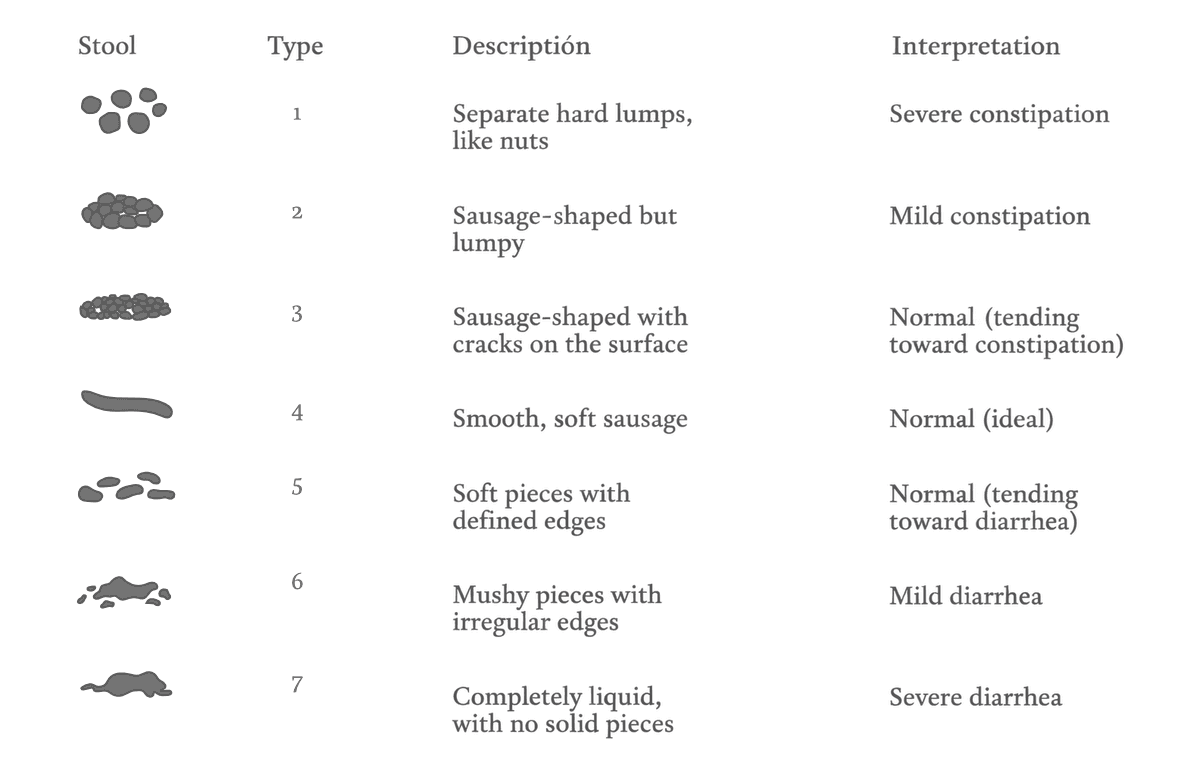
As the old Italian proverb goes, mangia bene, caca forte, e non aver paura della morte. Translated, that would be: “eat well, shit strong, and never fear death.”
Although we like to think of ourselves as individuals, fully formed and self-contained, the truth is that we’re more like a biological transformer than an isolated organism. A living assemblage, the result of an alliance between multiple life forms. On the one hand, our own human cells, which build tissues and organs, and on the other, a vast collection of bacteria, archaea, viruses, fungi, and other microorganisms that coat our surfaces as if they were a second skin: the microbiota. These tiny beings are distributed throughout every corner of the body, forming microbial ecosystems, each adapted to the conditions of humidity, temperature, light, and food its surroundings offer. That’s why the community of microbes on your forehead isn’t the same as the one in your groin, your ear canal, or behind your knee. But one ecosystem stands out for its size, complexity, and influence. A universe of germs inhabiting the tunnel that runs through us from end to end. About nine meters long, with multiple stops along the way, the digestive tract is home to one of the most fascinating microbial communities. As with the skin, each stretch has its own microclimate and specific inhabitants. In the stomach and the first section of the small intestine, for example, few microbes live there because the acidity of gastric juice, the detergent action of bile, and the enzymatic activity of pancreatic juice limit their survival. But in the final stretch—the large intestine—the conditions are so ideal for microbial life that it contains more than 99% of the microbes in the human body: about 38 trillion, a number comparable to the total number of our own cells. By the numbers, we could say that we’re, at most, half human. Because of its influence on digestion, metabolism, the immune system, and even brain function, the gut microbiota is now considered another organ.
We didn’t always know this invisible world was so important. Since germ theory became established in the nineteenth century—with figures like Pasteur and Koch at the helm—we’ve learned to see microbes as enemies. Although that revolution saved millions of lives, it also left us with a fear of germs and an overwhelming need to eradicate them with soap, disinfectants, and antibiotics. By the middle of the twentieth century, antibiotics had saved millions of lives during World War II and were considered a kind of pharmaceutical miracle. But they came at a cost. In military hospitals in countries at war, where large numbers of soldiers were treated with antibiotics for infections, many developed a severe gastrointestinal condition that killed seven out of every ten people who got it. With high fever, abdominal pain, persistent diarrhea, and whitish plaques covering the inside of the colon, pseudomembranous enterocolitis was a devastating disease that was poorly understood and had no cure. The only way out was surgical removal of the large intestine, but the odds of surviving this brutal procedure were a toss of a coin. Intrigued by these cases, American surgeon Ben Eiseman proposed in 1958 introducing stool from healthy people into the intestines of dying patients. At the time, it was known that antibiotics wiped out the entire gut microbiota, so he thought that if the problem was the destruction of microbial diversity, the solution might be to restore it. They collected fresh poop samples from healthy donors, diluted them in physiological saline, filtered them to remove large particles, and administered them to four patients by enema. It worked: all of them recovered quickly, with no relapses, surgery, or complications.
Although his procedure was groundbreaking in the West, Eiseman wasn’t the first to imagine that poop might have healing properties. The book Ben Cao Gang Mu, written in 1578 and considered the most complete and extensive compendium of traditional Chinese medicine, describes recipes for a drink called huang tang, meaning “yellow soup.” These preparations were made from fermented human poop, fresh or dried, and even from infants’ poop, and were used to treat a wide range of digestive disorders accompanied by fever, pain, vomiting, diarrhea, or constipation. But the first record of its use dates back to the fourth century, more than a thousand years earlier, in another book of traditional Chinese medicine written by the celebrated physician Ge Hong, which describes how a drink made from poop could quickly bring patients back “from the brink of death.”This book, called Zhou Hou Bei Ji Fang (Practical Remedies for Emergencies), also contains the first description of treating malaria (caused by Plasmodium falciparum) with Artemisia annua, a plant from which artemisinin would be derived several centuries later, one of the most effective antimalarial drugs to date. I find it fascinating that something as unpleasant as drinking poop soup became a useful medical practice. It took several decades to discover that pseudomembranous enterocolitis is caused by Clostridium difficile, a bacterium that is part of the gut microbiota in very small amounts but proliferates and wreaks havoc when a course of antibiotics wipes out the rest. That’s why the standard treatment today is, paradoxically, another antibiotic. But when that option fails, the best option is a fecal microbiota transplant from healthy donors, a practice used in hospitals around the world with a cure rate of over 70%.The fecal microbiota transplant used in hospitals today is a highly regulated medical procedure, carried out with carefully selected donors, tested samples, and protocols designed to minimize risks. Outside that context, trying to reproduce these practices at home is not only ineffective but can also be harmful. Stool can contain potentially dangerous bacteria, viruses, parasites, and toxins, and handling or ingesting it without strict controls carries serious health risks.
A decade before Einseman performed poop transplants on his patients with enterocolitis, a revolutionary line of research was taking shape in several laboratories: after multiple attempts and complicated procedures, the first completely germ-free mice were produced in 1946. At the time, people thought that eliminating microbial interference would make these animals ideal models for studying health in its “purest” state. But when researchers took a closer look, something didn’t add up. These animals were smaller, their intestines shorter, and their intestinal walls thinner. They also had fewer immune cells, and their defenses were slow and ineffective. They showed metabolic deficiencies as well and a reduced ability to absorb energy from food. In fact, they had to eat more to maintain their weight. Their entire physiology seemed out of balance, as if they were missing a part of their body. Although it had already been suggested that some microbes might have beneficial effects, these mice demonstrated conclusively that their absence was harmful to health. The next step was obvious: if living without microbes caused so many problems, what would happen if we put them back?
In 1965, Russell Schaedler conducted one of the first experiments on the subject: he extracted specific bacteria from the intestines of healthy mice and introduced them into germ-free mice through their food. A week later, the microbes had managed to establish themselves and occupied exactly the same niches in the gut as they did in the donor animals, where they remained for months. The most striking thing was what happened in the bodies of the microbiota transplant recipients. A single type of bacteria called Bacteroides, for example, was enough to reduce enlargement of the cecum, a malformation of the large intestine typical of germ-free mice. Later, when researchers tried a transplant with many different types of bacteria, the offspring of these mice inherited the new microbial community, and their intestines were normal. At first, transplant experiments were like a game of physiological detective, in which the role of certain microbes in vital functions such as immune system training, vitamin production, toxin elimination, and drug transformation was gradually revealed. But the more researchers investigated, the clearer it became that these weren’t just isolated pieces, but an entire system. Everything seemed to be shaped by the kind of microbial community living in the gut. One of the most striking discoveries came in the early 2000s, when the team led by Jeffrey Gordon decided to transplant the gut microbiota of genetically obese mice into germ-free mice that weren’t obese. Despite eating the same food and doing the same amount of physical activity, the transplanted mice began to accumulate fat. In theory, that shouldn’t have happened: the original mice were obese because they had been modified to alter the production of leptin, a hormone that regulates appetite. But the new mice had intact genetics. So what was making them gain weight? When researchers analyzed their intestines, they found a predominance of a type of bacteria from the Firmicutes group and a scarcity of Bacteroidetes, a combination that extracts more calories from food.
When researchers looked at what was happening in humans, they found similar signs: the microbiota seemed to be altered across a wide range of diseases. In some cases, there was a general imbalance, with a higher proportion of some bugs and a lower proportion of others, such as Firmicutes, Enterobacter and Bacteroidetes, which is observed in people with obesity, metabolic syndrome, or type 2 diabetes. But in other cases, certain bacteria seemed to play a leading role, such as Prevotella copri in rheumatoid arthritis, Fusobacterium nucleatum in colorectal cancer, and Ruminococcus gnavus in patients with Crohn’s disease. Researchers even tested what happened when the microbiota of these people was transplanted into germ-free mice: in diabetes models, the mice developed insulin resistance; and in colitis models, inflammation of the large intestine increased. The idea that many diseases might share a microbial underpinning began to gain traction. This state of imbalance was named dysbiosis, and with it, microbiota science went from being a marginal curiosity to one of the most exciting, complex, and bewildering fields in contemporary medicine.
But the most unexpected twist came in 2011, when researchers discovered that changing the microbiota could alter not only the body, but also the way an animal experiences the world. In a series of ingenious experiments, a team of researchers assessed the behavior of two groups of genetically identical mice—one germ-free and the other with a normal microbiota—using different anxiety and exploration tests. Compared with normal mice, the germ-free mice moved more freely through the open, brightly lit areas of the mazes, showing less fear and more daring. Then the researchers tried something else: they gave normal mice antibiotics to temporarily wipe out their gut flora. These mice began to behave like the germ-free ones: they became more active, bolder, and more confident. This may seem like a simple thing, but it’s actually a sign of profound change. In rodent terms, living in open spaces is as close as you can get to losing your fear of the world, and for a small animal that is usually prey, that’s not always a good thing. These changes could also be seen in their brains, which showed altered levels of neurotransmitters in the regions involved in regulating emotions, motivation, and the stress response. A few weeks later, their gut microbiota spontaneously returned to normal, and their behavior did too.
This wasn’t the first time a relationship between the gut and the brain had been proposed, but these experiments sparked curiosity about how that communication happens. What we know so far is that, on the one hand, gut microbes release a large number of substances that travel through the blood, can cross the blood-brain barrier , and alter neuronal activity. They can also do so indirectly by activating immune and endocrine cells that communicate with the brain. On the other hand, there is a faster pathway that directly connects the brain to the abdominal organs: the vagus nerve or pneumogastric nerve. Information travels in both directions along this biological highway, and microbes can contribute to the chemical signals that travel to the nervous system. For example, administering Lactobacillus rhamnosus bacteria to mice has anti-anxiety and antidepressant effects, but these disappear when the vagus nerve is surgically cut. It has been known for more than a century that cutting this nerve—as was once done to treat ulcers—increases the risk of developing psychiatric disorders, and when it is stimulated for therapeutic purposes, as in some cases of treatment-resistant epilepsy, many patients also experience an improvement in their mood. It’s no surprise, then, that dysbiosis has been found in people with neuropsychiatric disorders such as autism, schizophrenia, major depression, Alzheimer’s, Parkinson’s, and multiple sclerosis. And what’s most striking is that when the microbiota of these patients is transplanted into germ-free mice, many of the symptoms that characterize these diseases begin to appear in the mice.
It seemed we were rediscovering, in the language of molecular biology, an intuition more than two thousand years old. “All disease begins in the gut,” Hippocrates said, and although his claim was relegated for centuries to the drawer of philosophical generalities, microbiota science was beginning to translate it into data. If dysbiosis was part of the problem, restoring microbial diversity seemed like an obvious solution. That’s when the idea emerged that there must be a healthy microbiota, a kind of ideal model we could all aspire to. If we could identify it, perhaps we could cultivate it, put it in capsules, or transplant it. And so began the race to identify the “good microbes.” Bacterial communities were mapped as if they were archipelagos, new species were given unpronounceable names, and those that seemed to be present in healthy people all the time became candidates. A new generation of biotech companies also emerged, offering personalized microbiota tests and promising to restore the disturbed intestinal balance through precise interventions. But the cracks soon began to show: the more researchers investigated, the clearer it became that there wasn’t one single healthy microbiota, but many possible versions. The main reason is that about half of each person’s microbial fingerprint is unique and, therefore, two individuals with radically different compositions could be equally healthy. Even one person could have different microbiotas at different stages of life and still function perfectly well. Health didn’t seem to depend on having this or that species, but on how the whole system worked.
Today we know that the microbiota isn’t simply the sum of a bunch of bugs in our guts, but a living, highly dynamic, interconnected ecosystem. A swarm of invisible relationships in which each microbe has a role, collaborates, competes, and adapts to a changing environment. Bug A consumes compound 1 and releases compound 2, which feeds bugs B and C. They, in turn, produce substances that feed bug A while inhibiting the microbes that threaten bugs D and E. It’s a system of reciprocal favors, food chains, and biochemical alliances. There are no fixed hierarchies or written contracts, but everything is held in balance: when one falls, the others feel it.
It’s common to imagine nature as a jungle of brutal competition, where only the strongest survive, but that deeply rooted idea overlooks the fact that life also thrives through cooperation. In fact, cooperation is the basis for the evolution of complex life forms. One of the most widely accepted hypotheses about the origin of eukaryotic cells—the cells that later gave rise to plants, fungi, and animals—is that they emerged from a radical alliance between two different microbes. A symbiosis so close that it eventually fused them forever. When a group of Japanese scientists tried in 2020 to grow in the lab a microbe thought to be one of the ancestors of that fusion (an archaeon), they encountered a difficulty that was also a revelation: the archaeon couldn’t grow on its own. Through a type of symbiosis known as cross-feeding, its waste was used as food by other bacteria, which in turn produced amino acids, vitamins, and other compounds essential to the archaeon’s survival. The cooperation went even further than the exchange of nutrients: those microbes also cleaned the environment of toxic substances that limited their partner’s growth. In other words, complex life didn’t arise from self-sufficiency, but from deep dependence sustained over time.
That logic is still alive within us. This cooperation and codependence over hundreds of millions of years led many microorganisms to delegate functions to others, as if they were jobs distributed among neighbors. Some produce vitamins, others ferment fiber, others regulate the immune system or keep intruders in check. Each one does its part. So when one is missing, what we miss is not its name, but its work. The function it left vacant. And that is the key. What matters is not who is there, but what they do. It is not about having a perfect list of species, but about keeping the web of tasks active. A healthy microbiota is not one that has certain names in its inventory, but one that can do many different things and adapt to changes in its environment. Just as in a human community, what makes the microbiota strong is not homogeneity, but a variety of talents, trades, knowledge, and connections.
The simplification and impoverishment of our microbial world is a direct consequence of the aseptic artificiality of urban life. We live indoors, walk on concrete, eat products designed to last, clean every surface in our homes with disinfectants, and use antibiotics with unsettling ease. Each of these decisions, repeated by millions of people over decades, has gradually cleared the jungle within us. But it is not just a matter of excessive cleaning; it is a deeper disconnection: we are born by cesarean section, fed sterile formula, drink water treated with chlorine, and grow up far from the earth.Cesarean sections, hospital births, and modern hygiene practices have saved—and continue to save—millions of lives. No sensible person would question that. The point here is not to challenge their medical value, but to highlight a different phenomenon: the growing use of these interventions in contexts where there is no clear clinical indication. Research shows that cesarean rates have been rising for several decades, and that cesarean sections account for four out of every ten births in Argentina and other Latin American countries, a trend driven more by organizational, cultural, or convenience-related factors than by real risks to the mother or baby. The fact that cesarean sections influence early microbial colonization does not mean they are a “bad” practice or should be avoided when they are necessary. The challenge is not to turn back the clock, but to understand the collateral biological costs of certain practices so that, when possible, we can offset them and avoid normalizing their unnecessary use. But it is also a consequence of what we do to our environment. When a woodland is cleared, a wetland drained, or a forest turned into a soybean field, not only do plants and animals disappear, but so do the microorganisms that lived in that landscape. At the same time, the massive use of pesticides and synthetic fertilizers decimates microbial communities, breaks invisible food chains, and impoverishes the soil, as well as what grows from it. With each generation, we inherit less microbial diversity than the one before. And once the chain is broken, many of those connections disappear forever.
It is no wonder, then, that human microbial diversity maps onto our ways of life: the closer we are to nature, the richer and more varied our microbiota; and the farther we move away from it, the more homogeneous and impoverished this internal ecosystem becomes. In hunter-gatherer communities such as the Hadza of Tanzania, the gut microbiota is lush and rich in species found nowhere else in the world. Many of these bacteria—such as those in the VANISH group, literally “on the verge of disappearing”—are specialists in producing compounds that improve the health of the whole body. At the other end of the gradient are the inhabitants of the International Space Station, with recycled air, aseptic surfaces, controlled humidity, and a diet dehydrated and standardized down to the last gram. There is no more artificial environment than this. In these extreme conditions, only microbes able to withstand constant radiation, low humidity, synthetic materials, and repeated exposure to cleaning products survive. Microbial diversity is completely lost, setting off alarm bells about the viability of healthy human life outside terrestrial ecosystems. Cities, in this sense, are not so far away. They occupy some point in the middle of that gradient, though increasingly closer to the artificial end. We live in enclosed, predictable, highly sanitized environments, with little contact with nature and diets that favor what lasts over what is alive. The truth is that the modern urban lifestyle has transformed what was, for millions of years, a diverse and resilient internal ecosystem into something far more homogeneous, vulnerable, and repetitive. Where there was once a forest with natural buffers, there is now a monoculture that cannot withstand even a change of season.
But not all is lost. Although some species may have gone extinct forever in certain human populations, it is also true that we know much more today than we did a few decades ago. And that knowledge can guide us toward recovery. The science of the microbiota has not only helped us identify what we have lost, but also shown us how we might restore it. The greatest window of opportunity comes at the beginning of life: vaginal birth and breastfeeding are the natural ways humans have always passed their microbes from one generation to the next. We now know that interrupting those experiences through unnecessary cesarean sections and sterile formula affects the composition of the gut ecosystem for years, and perhaps decades. That is why protecting this early inheritance is one of the most powerful acts of preventive health we can offer.Recent research has shown that one simple way to mitigate some of the impact a cesarean section has on a newborn's microbiota is to place in the baby's mouth a cotton swab that was first inserted into the mother's vagina. It is not a perfect solution, nor does it replace that process, but vaginal seeding —as this intervention is known—can restore, at least in part, a microbial community that would otherwise be lost in the operating room. But not everything depends on how we start. Sometimes those beginnings are unavoidable, and fortunately, there are many opportunities throughout life to cultivate a more diverse microbial world. One of them is to stop killing things unnecessarily. The indiscriminate use of antibiotics, especially for viral infections where they serve no purpose, has been one of the great mass clear-cuts of the human microbiota. This is not about demonizing them—they have saved countless lives—but about restoring their place as a powerful yet limited resource that we should not use so casually.Curiously, humans are not the planet's biggest consumers of antibiotics. That distinction belongs to the livestock industry. In intensive production systems—such as cattle feedlots or farms raising broiler chickens, laying hens, or pigs—antibiotics are administered preventively to keep infections from spreading among crowded animals, which could lead to major financial losses. But in addition to preventing disease, some antibiotics are used to accelerate growth, a side effect discovered decades ago and still exploited in many parts of the world. Substances such as vancomycin, which in human medicine is reserved for serious, drug-resistant infections, have been used as growth promoters in animals raised for food. This practice not only affects the environmental and human microbiota through food, but also fuels the global spread of antimicrobial resistance, one of the greatest health threats of the twenty-first century. Another way is to reduce environmental isolation and constant disinfection, and increase our contact with nature by petting animals, smelling plants, walking barefoot, growing a garden, and spending time outdoors. Regular exposure to diverse environments allows our bodies to encounter environmental microorganisms that can enrich our internal ecosystem. There is growing evidence that people who live in rural areas or are surrounded by nature have a lower prevalence of inflammatory, allergic, and autoimmune diseases.Washing your hands before eating is still a good practice in urban settings. Unlike natural environments, cities are full of surfaces and objects that facilitate the transmission of potentially pathogenic microorganisms, and handwashing simply and effectively reduces the risk of infection; it has been one of the most effective interventions in the history of public health. Promoting a richer relationship with the microbial world does not mean abandoning basic hygiene practices, but distinguishing reasonable cleaning from the excessive and permanent sterilization of the home environment.
However, the most powerful tool we have for regenerating our microbiota throughout life lies in what we eat. No capsule or supplement can replace the effect of a diet that nourishes the right microbes. And, as we know well, that means eating more plants. Roots, leaves, fruits, and grains contain hundreds of compounds that gut bacteria use as energy sources and raw materials to produce beneficial substances, such as fermentable fiber, the third type of fiber I mentioned earlier. When these fibers reach the large intestine, certain bacterial species ferment them and produce small but decisive molecules: short-chain fatty acids, such as butyrate, propionate, and acetate. These are not simply byproducts of bacterial digestion, but chemical messengers that travel throughout the body, carrying precise instructions to repair, soothe, and protect. In the gut, they help maintain the integrity of the intestinal lining by stimulating mucus production and strengthening the junctions that hold intestinal cells together. When well maintained, this wall prevents toxins and other harmful molecules from entering the bloodstream and setting off unnecessary alarms. These molecules also communicate with the immune system, promoting tolerance of the microbiota's microorganisms and reducing the inflammatory processes that do so much harm when they persist. And metabolically, they improve insulin sensitivity, regulate energy use, and stimulate the release of gut hormones that help regulate appetite.
In a fascinating experiment conducted in 2013, scientist Vanessa Ridaura transplanted the gut microbiota of twin sisters into germ-free mice. The catch was that one twin had obesity and the other did not. As you might expect, the mice that received the microbiota of the twin with obesity accumulated more body fat and showed a more impaired metabolism than those that received microbiota from her lean sister, despite having exactly the same diet and living under the same conditions. But the most interesting part came next. When mice from both groups were housed together in the same cage, a natural transfer of microbes took place—through physical contact and coprophagy, which is common in rodents—and the benefits of the “lean” microbiota prevailed. The mice with the “obese” microbiota began to show metabolic improvements. However, this protective transfer only occurred when the animals shared a diet rich in plant-based fiber. Without that food, the protective bacteria could not establish themselves or thrive. Once again, it is not just about the bugs we have, but also what we feed them.
So, whatever you choose to put on your plate, there are certain foods that should never be missing. Every day, without exception, we should give our bodies a generous serving of fruits, vegetables, seeds, nuts, legumes, and whole grains. A good daily goal is two to five whole fruits (juice doesn't count), whatever you have on hand, whenever you like, and however you like. They always count. Vegetables can accompany lunch and dinner, taking up about a third to half of the plate. If you cook them, steaming or roasting is best, to preserve their vitamins. A fantastic option is to eat a three-color salad before the main course, making sure there's something green most of the time. Seeds—such as flax, chia, sesame, and sunflower—are much more than bird food, offering a wealth of benefits despite their small size. Since our digestive tract can't break down their hulls, it's essential to eat them ground so we can benefit from the nutrient bomb inside. Otherwise, they'll pass right through as if nothing happened. Have two to four tablespoons of ground seeds a day, sprinkled over stews, salad, or soup, added to a smoothie or juice, or simply mixed with water. As for nuts, such as walnuts, almonds, or cashews, aim for one or two handfuls a day, though having more won't hurt you. Although peanuts are legumes, their nutritional properties earn them a place in this group (roasted and unsalted is best). For legumes, such as lentils, chickpeas, peas, and beans (any of the dozens of varieties out there), a reasonable goal is the equivalent of a handful of dried legumes a day. Eat them however you like: in a stew, salad, burger, or spread (such as hummus). Cooking them is no longer a problem if you get friendly with the pressure cooker or add a pinch of baking soda to the water. Finally, and just as importantly, you can eat whole grains in the same quantities as legumes, or even a little more. When eaten unrefined, oats, rice, wheat, barley, quinoa, and corn are incredible allies in any meal of the day.
If these foods aren't part of your current diet, it's important to start slowly, with small amounts and one food at a time. Sometimes eating these foods can cause uncomfortable bloating, strong-smelling gas, or a heavy feeling, especially when eating legumes, broccoli, onions, garlic, or whole grains. It's easy to think it's an intolerance or that “something didn't agree with you,” but generally it's a sign that the microbes are working on something they're not used to. When the microbiota is depleted, it has fewer bacteria specialized in fermenting fiber; when a large amount arrives, the system gets overloaded, causing symptoms. But that's no reason to worry or avoid it; it's an invitation to take things more slowly. Just as no one would run a marathon without training, we can't expect an unaccustomed gut to ferment without protesting. The good news is that the system adapts. If exposure is gradual and sustained, new bacteria that make use of these fibers begin to grow, metabolism becomes more efficient, and the discomfort goes away. Over time, as your tolerance for fiber increases, you can add a greater variety of plants, which will have positive effects on the microbiota.
We should also remember herbs and spices—such as oregano, ginger, turmeric, thyme, cocoa, rosemary, and cinnamon—which, because of their high content of bioactive compounds, have an anti-inflammatory effect and modulate the immune system. Even herbal teas such as green tea, boldo, or chamomile can promote a healthier gut environment. Likewise, plant-based oils deserve a place in the conversation. In recent years, the idea has begun circulating that seed oils—such as sunflower, canola, soybean, and corn oil—“are as bad as smoking” because they contain high amounts of a type of fat called omega-6 fatty acid. Amplified by social media, influencers and some professionals, this narrative has caused confusion and distrust, and led people to abandon these oils and replace them with butter (or its “healthy” version, ghee), beef tallow, or coconut oil. But this change is not harmless: products rich in saturated fats, when eaten daily instead of plant oils, increase the risk of cardiovascular disease, diabetes, and other metabolic disorders. By contrast, replacing animal fats with plant oils is consistently associated with better cardiovascular and metabolic health, even when it comes to common oils such as soybean oil. That doesn't mean butter or coconut oil are poison—they can be used occasionally and in small amounts—but using them every day as your only source of fat is not progress; it's a step backward. Nor does this mean idealizing every plant oil just because it comes from a plant. Quality matters. The best choices are those that are minimally processed and cold-pressed, such as extra-virgin olive, flaxseed, walnut, canola, and even sunflower, corn, and soybean oils.
But in addition to feeding the right microbes, we can also invite new guests. Probiotics —that is, living microorganisms that provide benefits when consumed in adequate amounts—have become popular in recent years. And while there is still much to learn about which strains, doses, and combinations are truly effective, the idea of repopulating the gut with healthy microbes has a solid biological basis. Now, before you rush out to buy capsules with strange names and exaggerated promises, there's a more accessible and tastier option: fermented foods. Plain yogurt, sauerkraut, kimchi, kefir, miso, and tempeh are some examples of foods that contain living microorganisms, many of which can survive the journey through the digestive tract and establish themselves—at least temporarily—in our gut. In addition to stimulating the immune system and reducing markers of inflammation, fermented foods contribute something harder to measure but just as important: diversity. In an increasingly homogeneous world, eating foods that are alive—and cultivated with beneficial bacteria—is a way to reconnect with natural processes that have always been with us. For millennia, cultures around the world preserved food through fermentation, unaware that those bubbling jars were cultivating an invisible heritage of health.
But just as there are foods that nourish and diversify the microbiota, there are others that impoverish it. Ultra-processed products not only directly harm our bodies, as I’ve already mentioned, but also profoundly alter the intestinal ecosystem. Excess simple sugars and poor-quality fats encourage the proliferation of bacteria such as Escherichia coli, Clostridium bolteae or Bilophila wadsworthia. Although these microbes are present in the human microbiota in small proportions, they become abundant and active in the context of intestinal dysbiosis, chronic inflammation and metabolic disorders. Some artificial additives, such as carboxymethyl cellulose or polysorbate 80—emulsifiers used to improve the texture and stability of products such as ice cream, dressings, baked goods and ready-made meals—can damage the mucus layer that protects the intestine. By thinning this barrier, they allow
bacteria to get too close to the intestinal tissue, triggering defenses that shouldn’t have to be activated. Some sweeteners, such as sucralose, aspartame and saccharin, can reduce populations of protective bacteria such as Lactobacillus or Bifidobacterium. Preservatives, meanwhile, can act directly as antibiotics. Sodium benzoate, for example, is used to prevent the growth of fungi and bacteria in sugary drinks, dressings and industrially produced baked goods. But when consumed repeatedly, it can also affect gut microbes that play key roles in health. Even some artificial colorings, such as Allura Red and tartrazine, designed to make products look more attractive, can destabilize the microbiota and increase susceptibility to diseases such as colitis or Crohn’s disease. These additives were designed to protect food, but when they build up in our daily diet, they end up disrupting the microscopic life that sustains us from within.
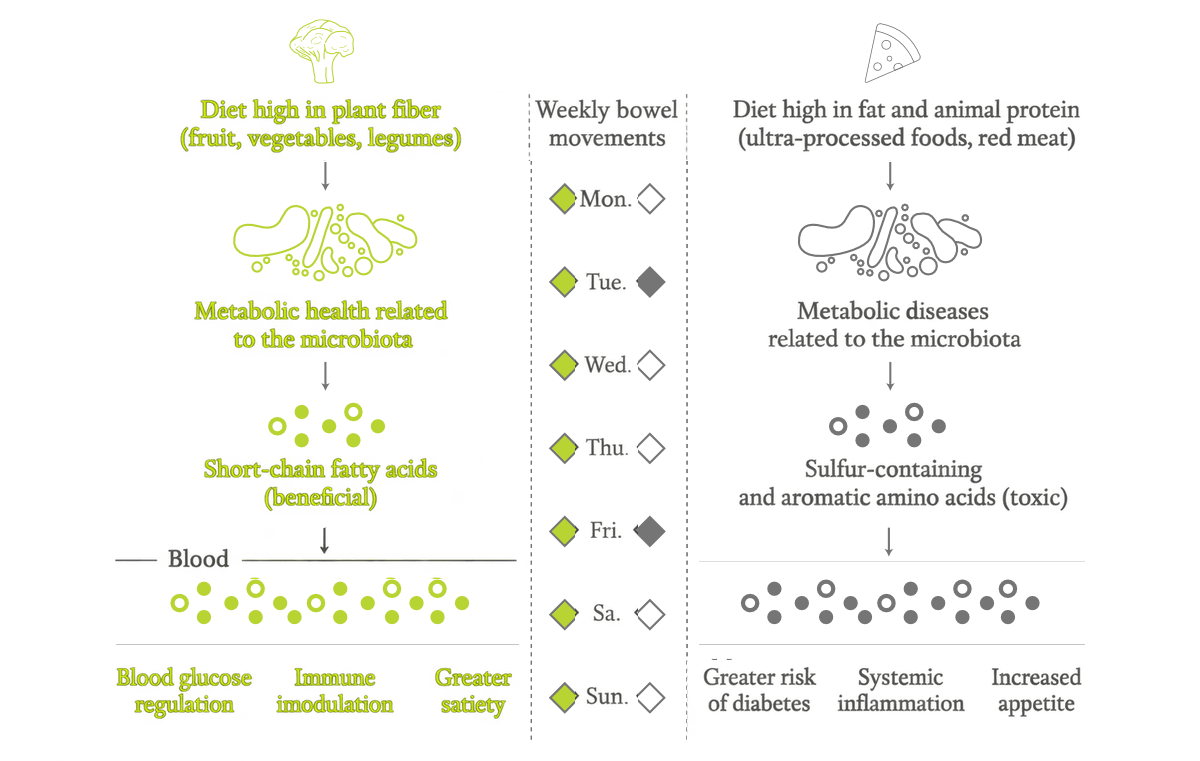
In general, the most visible effects of dysbiosis appear quickly. It doesn’t take years of exposure for the body to start showing its discomfort. Many people experience vague gastrointestinal symptoms soon after eating these kinds of products, such as bloating, foul-smelling gas, slow digestion, a feeling of heaviness or mild abdominal pain that doesn’t amount to a diagnosable illness but is still bothersome. Some people also report changes in how often they poop or in what it feels like to go, ranging from an urgent need to use the bathroom to feeling like they haven’t completely emptied their bowels. These symptoms are common in irritable bowel syndrome or small intestinal bacterial overgrowth (SIBO), and tend to get worse when the diet is loaded with additives, simple sugars and other ingredients typical of ultra-processed foods. In other people, symptoms show up beyond the gut, with skin flare-ups, itching for no apparent reason, an inflamed tongue or a burning sensation in the mouth, canker sores or recurrent vaginal yeast infections. Although people often attribute this to “something I ate” or to some supposed one-off intolerance, what’s usually behind it is an imbalanced microbiota, occupied by species that shouldn’t be in charge but have found these products to be ideal food for multiplying.
Another group of foods that should be limited as much as possible is processed meat, such as cured sausages, cold cuts, hot dogs, bacon, chicken nuggets , industrially produced hamburgers and any meat that has been cured, smoked or treated with additives to extend its shelf life. Sodium nitrite, used to prevent the proliferation of dangerous bacteria such as Clostridium botulinum (which causes botulism), can also disrupt the balance of the intestinal ecosystem. These products are high in salt and poor-quality fats, which damage blood vessel walls, disrupt pancreatic function and cause mutations in the cells of the digestive tract. Even amounts as small as 10 grams per day (over several years) can contribute to a heart attack, cerebral ischemia, type 2 diabetes or colon cancer. Red meat, too, has clear mechanisms that deserve attention. One of the most extensively studied in recent years is the production of a molecule called TMAO (trimethylamine N-oxide), which has been consistently associated with an increased risk of cardiovascular disease, type 2 diabetes, hypertension and kidney failure. The process begins in the intestine: when we eat red meat, which is rich in carnitine, choline or phosphatidylcholine, some bacteria convert those compounds into TMA (trimethylamine). That substance travels to the liver, where it is transformed into TMAO, a small molecule that, at high concentrations, appears to trigger vascular inflammation, promote atherosclerosis and increase blood clotting.
Despite this molecular mechanism, which has been clearly demonstrated on multiple occasions, scientists couldn’t agree on the effects of red meat on health. Outside academia, the debate also stirred up intense passions and quickly became ideological and polarized, almost religious. For some, red meat is practically a modern poison that should be eliminated from the human diet. For others, it is an ancestral source of strength and health, a sacred food that should be at the center of the plate every day. But this confusion was no accident. Behind many of these disagreements is a factor that is rarely mentioned out loud: the meat industry lobby . In 2025, Spanish scientist Miguel López-Moreno conducted a detailed analysis of all the available studies assessing the link between red meat consumption and cardiovascular health. What he found left little room for doubt. When the studies were separated according to their funding, the pattern was clear: when scientists received financial support from the industry, they were more likely to report neutral or favorable results, while independent scientists more often found negative associations. In other words, it wasn’t that the evidence was lacking, but that it was distorted by conflicts of interest.In another instance of industry lobbying , the new United States food pyramid was published on January 8, 2026. Far from being a neutral synthesis of the best available evidence, the final chart reflected the views of a small group of decision-makers—with conflicts of interest—who chose to ignore an extensive scientific report previously prepared by dozens of nutrition experts. That document, created specifically to serve as the technical basis for the recommendations, was (literally) thrown in the trash. The result was not a methodological error or a genuine academic debate, but a political decision that reordered priorities in line with the longstanding interests of the U.S. meat and dairy industries, rather than the conclusions of the very scientific work commissioned to guide those recommendations. The most high-profile case came a few years earlier, in 2019, when a group led by Canadian researcher Bradley Johnston published a series of articles claiming there were no strong reasons to reduce red or processed meat consumption. The studies, published in a prestigious scientific journal, were quickly amplified by the media and celebrated by those who advocated regular red meat consumption. However, it was revealed soon afterward that Johnston had failed to disclose his ties to the meat industry. And it wasn’t the first time: two years earlier, he had tried to discredit the World Health Organization’s recommendations to reduce sugar consumption while working for a front organization funded by the food industry.
In this ocean of contradictory information, competing interests, food gurus and influencers with magical promises, it can be hard to know which way to go. Science moves forward, but it isn’t always communicated clearly. And when it is, its message is sometimes drowned out by the loudest voices or by industries that fund their own narratives. That’s why, amid all the noise, it can help to return to the basics. The best guide we have doesn’t need many characters, or a college degree to understand. Michael Pollan summed it up in a phrase that, though it sounds modest, contains a profound truth:
“Eat food (not junk food). Not too much. Mostly plants.”
And you’ll see how everything gets better.
This is the third chapter of What the Body Knows. In addition to theoretical concepts, this project offers exercises to help you practice concrete tools for understanding your body, taking care of your health and feeling better.

Teoría y práctica para entender cómo sentirte mejor y efectivamente empezar a hacerlo.
Incluye:
- Lo que el cuerpo sabe
- Lo que el cuerpo sabe | Cuaderno de ejercicios para sentirte mejor

¿Qué nos pide nuestro cuerpo para estar saludable? ¿Podemos darle lo que necesita? Un libro con herramientas de la medicina del estilo de vida y la medicina evolutiva para entendernos y sentirnos mejor.
296 páginas. Impresión a dos tintas (negro + Pantone). 15 x 21 cm. Interior en papel bookcel de 80 gramos, cubierta en papel ilustración mate de 300 gramos, acabado con sello en bajorrelieve.
Biografía del autor:
Ezequiel Arrieta es Médico y Doctor en Ciencias Biológicas por la Universidad Nacional de Córdoba. Desarrolla su práctica clínica desde una perspectiva integral, combinando alimentación, movimiento, psicoterapia y herramientas farmacológicas de distinto tipo. Es editor de Un libro sobre drogas (EGLC, 2017) y Las olas (EGLC, 2022), coautor de Clima (EGLC, 2022) y autor de La invención de la comida (EGLC, 2023).

Un cuaderno con herramientas prácticas de la medicina del estilo de vida. Ejercicios sobre tu relación con la alimentación, el descanso, el estrés y el movimiento. Creado por el Doctor Ezequiel Arrieta, para cuidar el cuerpo y sentirte mejor.
192 páginas. Bajorrelieve y bordes redondeados. Encuadernación cosida. 14x19cm.
Biografía del autor:
Médico y Doctor en Ciencias Biológicas por la Universidad Nacional de Córdoba. Desarrolla su práctica clínica desde una perspectiva integral, combinando alimentación, movimiento, psicoterapia y herramientas farmacológicas de distinto tipo. Es editor de Un libro sobre drogas (EGLC, 2017) y Las olas (EGLC, 2022), coautor de Clima (EGLC, 2022) y autor de La invención de la comida (EGLC, 2023).

¿Qué nos pide nuestro cuerpo para estar saludable? ¿Podemos darle lo que necesita? Un libro con herramientas de la medicina del estilo de vida y la medicina evolutiva para entendernos y sentirnos mejor.
Formatos .epub y .mobi.
Biografía del autor:
Médico y Doctor en Ciencias Biológicas por la Universidad Nacional de Córdoba. Desarrolla su práctica clínica desde una perspectiva integral, combinando alimentación, movimiento, psicoterapia y herramientas farmacológicas de distinto tipo. Es editor de Un libro sobre drogas (EGLC, 2017) y Las olas (EGLC, 2022), coautor de Clima (EGLC, 2022) y autor de La invención de la comida (EGLC, 2023).