
Teoría y práctica para entender cómo sentirte mejor y efectivamente empezar a hacerlo.
Incluye:
- Lo que el cuerpo sabe
- Lo que el cuerpo sabe | Cuaderno de ejercicios para sentirte mejor
This content was translated using artificial intelligence and may therefore contain errors.
I remember my first day of classes at university, in the Normal Anatomy course, when I stood in front of a lifeless body for the first time. The suffocating smell of formalin and a few classmates fainting did not dim the beauty of what, until that moment, had been a mystery. I could clearly see how the trachea branched into two bronchi and how each one extended toward the lungs. I was able to trace with my hands—wearing gloves, of course—the entire length of the small intestine, which is about six meters long and yet fits neatly coiled inside the abdomen. I was surprised to discover two enormous cylinder-shaped muscles I had known nothing about, emerging from the spinal column—just below the kidneys—and extending toward the hip: the psoas muscles. I also learned that veins and arteries were not blue and red as they are in books, and that they could only be distinguished by their consistency. I was also struck by the brain’s rubbery, inert density, not unlike that of fresh tofu, even though just a few years earlier it had contained a person’s entire universe. The sign hanging at the entrance to the dissection room was absolutely right. Mortui vivos docent: “the dead teach the living.”
The experience affected me so deeply that I decided to stay on for several years as an undergraduate teaching assistant, so I could keep learning anatomy through the dissection of cadavers. In my second year, I encountered another subject that fascinated me: Human Physiology. While in Anatomy I studied the body’s macroscopic architecture, physiology allowed me to understand in depth how this incredible machine worked. I discovered that the heart has four chambers connected by an exquisite electrical system, which coordinates the contraction of the heart muscle so that blood flows to the rest of the body. In the lungs, microscopic bubbles called alveoli allow oxygen to enter the blood and carbon dioxide to leave the body. The kidneys filter around 180 liters of blood every day without our noticing, eliminating toxic substances and conserving vital compounds. And the many endocrine glands make up a true hormonal orchestra, whose symphony changes throughout the day so that the tissues “know” when to activate or inhibit different functions. It all seemed almost magical to me. That’s why, when I finished my degree, I became an instructor so I could relive that sense of wonder and, if possible, pass it on.
Although I learned many of the secrets of the human body, no one taught me to see it as a whole. Knowing the parts is not enough to understand the organism as a whole. Knowing what each organ does is not the same as understanding how they relate to one another, what they need in order to function together, and how life is possible thanks to that integration. The thing is, the structure of Western medical education is designed to study parts, not to bring them together.Here I use the expression Western medicine to refer to the modern biomedical model that took shape in Europe and North America during the nineteenth and twentieth centuries, based on the scientific method, anatomy, physiology, pharmacology, and medical technology. I do not use it as a moral category or as a criticism, but as a way of naming a specific historical and cultural approach. When I point out its limitations, the focus is on the dominant model for understanding and addressing disease, not on professionals or medical practice itself. And that way of thinking quickly seeps into students’ minds. One of the questions my classmates used to ask most often was, “What specialty are you going into?” It wasn’t casual curiosity, but an early invitation to narrow our field of vision. Because the answer almost always meant no longer looking at the body as a whole. The heart for cardiologists, the skin for dermatologists, the ear for otolaryngologists, and the brain for neurologists. Even some specialties, such as internal medicine or pediatrics, which try to maintain a broader perspective, often fall short. Because what medical education lacks is not just breadth, but a profound change in how we see: we need to stop seeing isolated organs or organ systems and start seeing living bodies. Bodies that feel, think, experience emotions, and adapt, and that become ill when they can no longer do so.
After thinking about this subject for many years, I began to understand that this fragmentation is not accidental, and that there are at least four forces behind it. The first has to do with the dominant approach of Western medicine, which in many cases is not geared toward understanding or changing the deep, systemic causes of diseases, but toward controlling their manifestations through the use of medications. Human beings have always turned to substances to relieve pain, fight infections, or support healing processes. Plants, brews, and preparations have been part of medical traditions all over the world and throughout history. Some of these practices were effective, others less so, and many worked only partially. The limitations were particularly clear in cases of serious infections. At the beginning of the twentieth century, microbes were still wreaking havoc: a badly decayed tooth could lead to fatal septicemia, and pneumonia could turn into respiratory failure, with little chance of survival within a matter of days. In that context, the arrival of antibiotics marked a turning point in medical practice. The discovery of penicillin in the late 1920s and its widespread use during the Second World War decisively transformed the paradigm of medicine. For the first time, it was clearly and reproducibly possible to act directly and effectively on the causal agent of a disease, rather than merely alleviating its manifestations. That extraordinary success not only saved millions of lives, but also shaped the expectations of modern medicine.
Gradually, the idea began to take hold—both in medical culture and in society—that every disease should have its own pill. And if one didn’t exist yet, it was assumed that finding it was only a matter of time. For many people, this promise was reassuring. During the second half of the twentieth century, as the molecular mechanisms of diseases that were becoming increasingly common in middle- and high-income countries—such as type 2 diabetes, high blood pressure, and atherosclerosis—were unraveled, the booming pharmaceutical industry developed medications capable of controlling their consequences. Oral glucose-lowering drugs, antihypertensives, and statins managed to slow the progression of these diseases and significantly reduce the risk of serious complications, allowing millions of people to live longer and enjoy a better quality of life. But there is a key point: with few exceptions, none of these drugs reverses the process that gave rise to the disease. In most cases, they keep it under control for a while. So what has taken hold today is a form of medicine that is extraordinarily effective at managing symptoms and physiological markers, but limited when it comes to reversing the processes that caused the disease and restoring the health of the organism.
This is also reflected in medical education. I studied Pharmacology for two full years, and its logic ran through practically all the clinical subjects, but I didn’t take a single course focused on understanding how the most prevalent diseases of the past seventy years originate, or on integrating those processes with how they develop over time. I learned which pills to prescribe for each diagnosis, with several options available if the first one didn’t work. But I didn’t learn how to help someone stop needing them.
That gap in training, which students still suffer from today, carries over into everyday practice: professionals who prescribe medications readily—sometimes too hastily—and patients who expect immediate solutions for processes that actually take time. Countless times I saw a mother, worried about her child’s mild fever, refuse to leave the pediatric appointment until an antibiotic or a fever reducer was prescribed, even when the medical advice was simply to rest. It isn’t a matter of bad intentions, but of a shared expectation: that every symptom calls for a quick intervention to make it disappear. But let me be clear: I’m not saying medications are bad or shouldn’t be used. Modern pharmacology is the technological evolution of a practice human beings have engaged in since time immemorial, and it has saved countless lives. The problem arises when it is used as an automatic response to any kind of discomfort. Because, as the fine print in package inserts says, taking medications comes at a biological as well as an economic cost. That cost may be mild, like digestive discomfort after an antibiotic, or it may be serious, like liver failure caused by taking too much paracetamol.The overuse and misuse of medications is a phenomenon widely documented around the world. It is estimated that between 30% and 65% of medications prescribed in different clinical settings may be considered unnecessary, inappropriate, or of marginal benefit. The classes most frequently overused include antibiotics, psychotropic drugs, proton pump inhibitors, analgesics, and antihypertensives. The associated consequences are significant: increased adverse reactions, a decline in quality of life, a higher risk of drug interactions and polypharmacy, the development of antimicrobial resistance, gastrointestinal and kidney damage, and avoidable healthcare costs. Taken together, the available evidence shows that excessive drug use is not a marginal or anecdotal problem, but a significant source of iatrogenic harm, especially when medications replace—instead of accompanying—interventions aimed at the underlying causes of disease processes.
However, the problem is not just doctors with trigger-happy prescription pads or patients seeking relief at any cost. The second force fragmenting the body has to do with the model of care underlying the entire healthcare system, which, far from being geared toward promoting health, has become a vast disease-management machine. As it works today, it is a system designed to step in when something has already broken, not to keep it from breaking. It operates like a highly efficient firefighting network that almost never asks why the houses are catching fire. Doctors’ offices and hospitals are full of people suffering from diseases whose onset could—at least in part—be prevented. But genuine, sustained prevention plays only a marginal role in everyday practice. It is as if we had forgotten the enormous impact that large-scale preventive interventions had on reducing infectious diseases throughout the twentieth century, such as water treatment, urban sanitation, waste collection, handwashing, and vaccination campaigns. The growing lack of interest in public policies that sustain these strategies, the advance of a biomedical model centered on individual and pharmacological intervention, and the growing lobbying power of the pharmaceutical industry have reshaped today’s healthcare systems. The result is an approach that is highly effective at preventing death, but poorly designed to promote well-being. People live longer, but not always in better health.
The third force that helps fragment our bodies is that Western medical education relegates the mind to the margins. The only formal opportunity I had to study it was in Psychiatry, during the fourth year of my degree. Lasting just two months, I remember it as a subject isolated from the rest, with little connection to physiology, clinical medicine, or contemporary advances in neuroscience. Two months is undoubtedly too little time to address something as complex as the human mind. Even so, it would have been possible in that time to introduce—even superficially—fundamental concepts such as emotional regulation, the impact of chronic stress, or the importance of the therapeutic relationship, things that come up every day in the doctor’s office or the ER. Everything I learned about “the mind” during that course seemed to fit into a handful of diagnostic categories, and the general feeling among my classmates was that Psychiatry was an easy subject with little academic weight, one you could pass without really studying. In fact, that’s what happened. And that perception accurately reflects the place mental health occupies in medical education at most universities. A marginal, ancillary component, treated more as a curiosity than as a central dimension of health.
The impact of my inadequate mental-health training became clear during one of my first hospital shifts. One weekend afternoon, a woman of about 28 came in highly agitated, eyes wide with distress, breathing rapidly, asking for help because her chest hurt and shouting that she was dying. My first reaction was to think of a heart attack. That was what I had learned to look for with those symptoms. However, she was young, and on physical examination I found only a fast but regular pulse. The electrocardiogram showed no signs of damage to the heart tissue. There was nothing, at least according to the clinical framework I had at the time, that explained what was happening. To my relief, the person supervising me closed the case quickly: “It’s an HC, a hysterical crisis. Give her lorazepam and send her home.”The term hysteria comes from the Greek hystéra, meaning “uterus,” and was used for centuries to describe episodes of intense emotional suffering, primarily in women. Its origins go back to the medicine of ancient Greece, where it was believed that the uterus could move around inside the female body and cause a wide range of physical and psychological symptoms. Within the context of a medical tradition historically dominated by men, this conception helped associate emotional instability with the female body, pathologizing forms of suffering that were often understandable responses to oppression, trauma, or a lack of autonomy. For long periods, women were diagnosed with hysteria not because they had a specific disease, but because they expressed distress, challenged social norms, or demanded greater independence: refusing an imposed marriage, not wanting to have children, or expressing anguish over a restricted life. Although the diagnosis of hysteria has been abandoned in modern clinical practice, its legacy persists residually in some conservative or orthodox contexts, both in medical language and in certain clinical practices, reproducing historical biases in the understanding of psychological suffering. That was exactly what I did. I put the anti-anxiety pill in her mouth so it would dissolve under her tongue, waited for her agitation to subside, and discharged her without any further instructions. In hindsight, I understand that this poor woman was having a panic attack for reasons I will never know, because I never stopped to ask her. For a long time, I thought that scene said more about me—my inexperience and insecurities as a young doctor—than about the training I had received. But over the years I realized it was the other way around. My reaction was not an individual mistake, but the logical consequence of an educational system that had trained me to look for injuries, abnormal numbers, or abnormal images, but not to read suffering when it expresses itself through the body without leaving visible traces. That way of acting reflects a logic running through much of Western medicine and eventually seeping into everyday practice: what isn’t measured isn’t seen; and what isn’t seen doesn’t exist. And so fear, anguish, sustained stress, or psychological trauma stay off the clinical radar until, over time, they find a way to become inscribed in the body as “organic” disease. Only then does suffering seem worthy of medical attention. And that brings us to the fourth reason for the fragmentation of the medical approach.
The fourth force—and to me, the most important of all—has to do with a division we tend to take for granted: the separation between what we call “mind” and what we call “body.” This division is not a biological reality, but a human whim. The thing is, there are no two independent entities that “interact,” but one living organism that perceives, feels, thinks, remembers, and acts, while regulating its temperature, glucose, blood pressure, and immune response. These are different processes, yes, but inseparable. That unity becomes obvious when we pay attention to everyday experience: the lump in your throat at bad news, a stomachache before an exam, insomnia during periods of anguish, tension building in your back after difficult days, and skin breaking out after a bout of stress. When the distress is more intense, the connection is impossible to ignore. Anxiety can cause palpitations, dizziness, nausea, or shortness of breath; anger raises blood pressure, speeds up
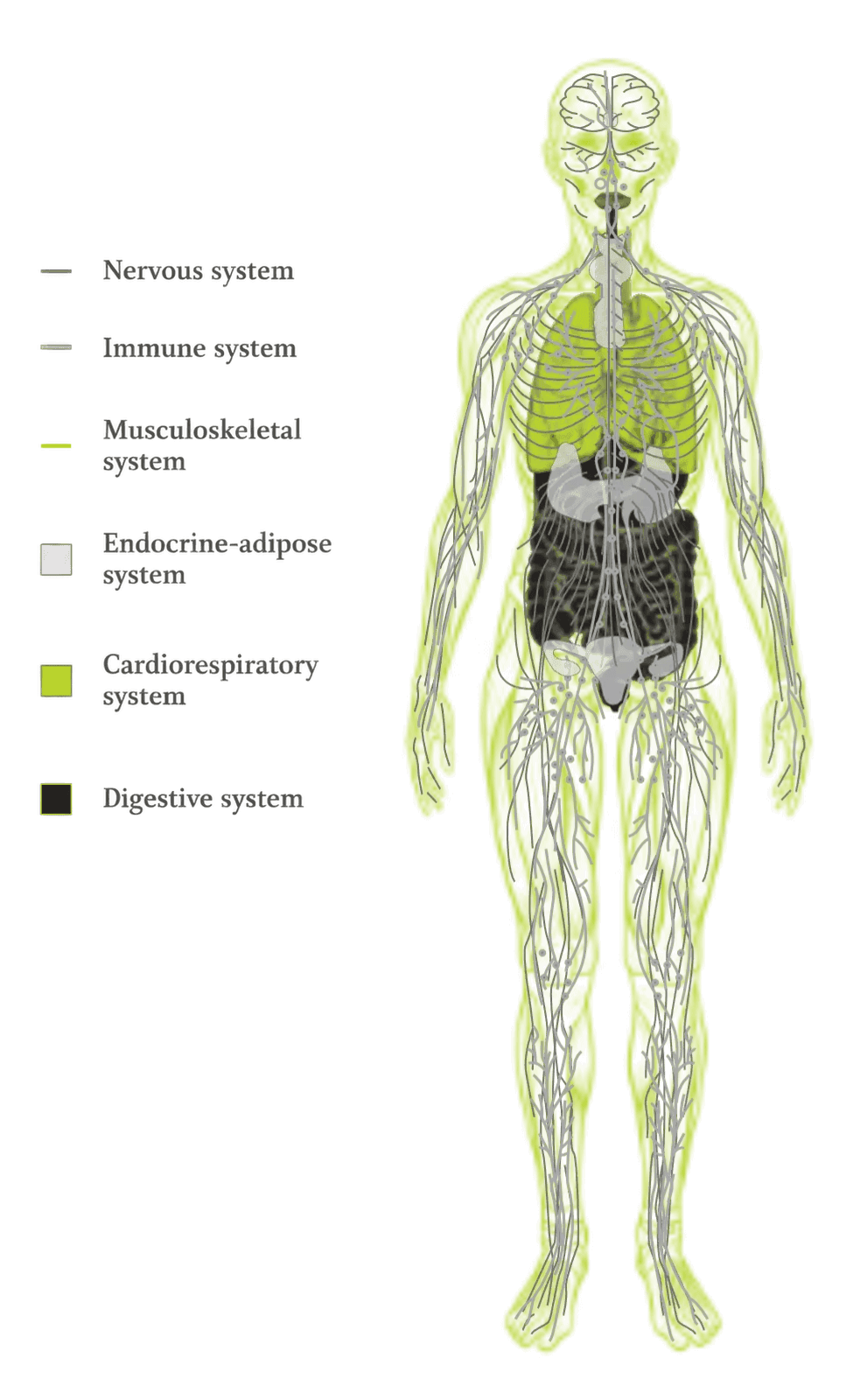
the pulse and tenses the jaw; deep sadness reduces appetite and energy. In other words, the mind does not “impact” the body; it manifests in it.
The curious thing is that this intertwining of mental states and bodily processes has been known for a long time. Some 2,500 years ago, Hippocrates of Cos, the father of Western medicine, already recognized that persistent emotions could alter the body’s balance and contribute to the development of diseases.At that time—and for several centuries afterward—Western medicine understood health as the result of a dynamic balance among four bodily humors: blood, phlegm, yellow bile, and black bile. In this theory, each humor was associated with a particular temperament—that is, a relatively stable way of feeling, thinking, and reacting that also predisposed a person to certain physical ailments. For example, the choleric temperament—linked to a predominance of yellow bile—was characterized by a greater tendency toward irritability, impulsiveness, and anger, and was considered more prone to febrile or cardiovascular conditions. This observation is also borne out by modern medicine: people who persistently experience anger or hostility tend to have a higher risk of coronary heart disease and worse cardiovascular outcomes. And although that connection was understood in a very different language from the one we use today, modern research eventually proved it right. A 2020 study by Natalie Momen, which followed nearly six million people for more than a decade, found that people diagnosed with psychiatric disorders had a significantly higher risk of developing physical illnesses over time. Against this shared backdrop, some associations were more pronounced depending on the type of disorder. Anxiety disorders were more frequently linked to respiratory and digestive problems; major depression, to metabolic disorders such as type 2 diabetes; and eating disorders carried a higher risk of cardiovascular and kidney problems than in the general population. Seen this way, psychological suffering is not just a “mental” phenomenon, but a sign that the body as a whole is functioning under sustained strain. And when that imbalance persists over time, the likelihood increases that it will eventually manifest as physical illness, too. I’ll explore this aspect in more depth later.
I don’t know when or why this bodily fragmentation took place in Western medicine, but I’d venture to say it was a gradual process. If I had to choose a powerful symbol of that loss, I would probably point to the slow disappearance of the Library of Alexandria. Founded more than 2,300 years ago as part of the Mouseion, the Library became one of the greatest centers of knowledge in the ancient world, with hundreds of thousands of manuscripts covering philosophy, astronomy, mathematics, history, poetry, and many other disciplines. Texts from ancient cultures—Egypt, Greece, India, and Persia—were also preserved there, many of them devoted to medicine, anatomy, physiology, and the study of human life from an integrated perspective. In the medical schools of the Mediterranean—such as the one on Cos, where Hippocrates taught—physicians were trained to observe the patient as a whole, taking into account their habits, environment, and emotional state as part of the diagnosis. To give just one example of how incredibly advanced Western medicine was at the time, physicians Herophilus and Erasistratus carried out a great many human dissections to learn about the inside of our bodies. As a result, they described organs, nerves, and functions with a precision that would not be reached again for nearly two millennia, when Andreas Vesalius published his illustrated anatomy atlas in 1543.
The fire that accidentally destroyed some of the documents in Alexandria during the conflict against Julius Caesar is often cited as the first major blow to the Library. But it was not the fire that brought that project to an end; it was something quieter and more persistent: the Roman Empire’s gradual loss of political interest in sustaining a space devoted to shared knowledge. Over time, and especially as Christianity became the official religion, much inherited knowledge began to be viewed with suspicion because it was considered “pagan.” This was not the case everywhere or at all times, but the general trend was for Western medicine to become strongly conditioned by the dominant religious framework. Although some medieval physicians preserved and passed on fragments of the Hippocratic legacy—as happened with the works of Galen, which were copied, translated, and taught at the first European universities—the understanding of the human body became increasingly limited. Dissection fell out of use, direct observation lost ground, and many diseases began to be interpreted in supernatural terms: as divine punishment, demonic possession, or disorders caused by invisible forces. This cultural climate fostered an increasingly sharp separation between the bodily and the spiritual. The body came to be seen as the seat of sin, the source of desire, weakness, and moral downfall. Redemption lay in the soul; the body, by contrast, had to be controlled, dominated, or even mortified.
This view contrasts with that of some Eastern philosophical and religious traditions, in which the body is not seen as separate from the mind or spirit, but as an inseparable expression of them. In Taoism, for example, life energy—the qi—is thought to flow through the body, and its balance is central to physical, mental, and spiritual health. In this framework, the body is not an obstacle to inner development, but a bridge to it. Something similar happens in Hinduism, where practices such as yoga and tantra seek to strengthen, sensitize, and train the body as part of a path of self-knowledge. Bodily disciplines such as tai chi chuan and kung fu also emerged in Buddhism, in which movement, breathing, and mindfulness are trained together. Rather than repressing desires or denying bodily experience, many of these traditions propose observing what happens in the body and learning, over time, to inhabit it with greater awareness. Yet the path that ultimately prevailed in the West was a different one.
Later, during the Renaissance in Europe, René Descartes appeared on the scene with his famous “I think, therefore I am.” He intended to bring order and certainty to scientific thought in a context marked by doubt and religious authority. And in that respect, his contribution was enormous. However, by placing thought at the very core of existence, he ended up reinforcing a stark distinction between the mind—understood as the seat of reason and consciousness—and the body, reduced to a kind of machine governed by physical laws. Perhaps Descartes was only trying to secularize the old theological discourse about the soul, but his legacy unwittingly contributed to deepening the great divide between the mental and the bodily that still shapes the way we understand health. From then on, the body increasingly came to be treated as an object that could be studied, measured, taken apart, and repaired, while subjective experience was relegated to another realm. The Scientific Revolution and, later, the Industrial Revolution were driven by new ways of organizing knowledge and social life. The creation of modern educational systems—and later universities—was largely oriented toward producing productive minds: people able to concentrate, obey rules, sustain prolonged effort, and adapt to rhythms imposed from the outside. In that context, the mind was revalued as a central asset, while the body became something that had to keep up, endure, or simply keep quiet.
One obvious consequence of all this, in our urban Western culture, is how easy it is for us to become estranged from our bodies. When you live in an environment that measures a person’s worth by their intellectual performance and productivity, you’ll do everything you can to measure up and not be left out of the system.In modern urban societies, many of the lowest-paid jobs with the least social recognition are those that involve intense, direct physical labor, such as firefighting or lifeguarding, agriculture, caregiving, cleaning, gardening, and construction. By contrast, jobs based mainly on intellectual performance tend to enjoy greater prestige and higher incomes. This difference is not based solely on economic criteria, but also on a cultural hierarchy that tends to value “mental” work more highly than “physical” work. We can ignore hunger, keep working even when we’re exhausted, hold in our pee for hours until we can’t take it anymore, or sweep our emotions under the rug until we forget they’re there. I remember that, when I was a student, I could spend hours on end without getting up from my chair. It was only when I closed my books that the ravenous hunger, my numb body, my back as stiff as a board, and a vague anxiety would set in. So as not to “waste time,” I ended up eating nothing but pasta or rice for days, putting off exercise, and skipping get-togethers with friends. But I was fine: it was what was expected. I had to study nonstop, perform at my best, and tough it out as if I were a robot. The body only became noticeable when it hurt or got sick. Of course, there are times in life when we need to step on the gas and hold steady to get through demanding situations. The problem comes when that stops being occasional and becomes our usual way of living. Sooner or later, the body responds.
This “ability” to ignore our biological needs is actually quite exceptional in the animal kingdom. No other species can do anything like it. A hungry gorilla will look for food, a tired tiger will lie down to sleep, and a frightened mouse will try to escape. In the animal world, the usual thing is to meet felt needs without mediation or judgment. But even among humans, this is not always the case. Babies and young children do not experience this disconnection. A baby cries if they’re hungry, if something hurts, or if they need contact. A young child gets angry without holding back, looks to move when they feel like it, sleeps when they’re tired, and expresses their emotions with their whole body. As we grow up, however, cultural norms teach us something very different. From an early age, we learn to prioritize duty and reason over need and sensation, and to organize life around calendars, schedules, tasks, and goals. We also learn that there are times when you don’t cry, that you have to hold back your anger, that it’s not always time to eat, that you have to sit still, that “it’s not that big a deal,” and that you always have to behave. Little by little, we learn that some needs and emotions must be repressed so we can fit in, be loved, and be valued. Perhaps that’s why it’s so easy to believe that we have a body, rather than are one.
Although as adults it is usually more possible to free ourselves from other people’s expectations—even if that means distancing ourselves from important people—in childhood we don’t have that option. When we’re kids, we depend entirely on those who care for us in order to survive. And that need for attachment is no whim: it is deeply wired into our brains. So from a very early age, a quiet tension begins to take hold. On one side, what we feel and need. On the other, the need for protection and belonging. And so it becomes normal to suppress signals instead of listening to them: a fever reducer when our temperature rises, an antacid after a huge meal, an anti-anxiety pill to get rid of the brick in our chest, or a painkiller to soothe lower back pain after spending hours sitting.
We medicate the symptom, but don’t ask what the body is asking for: perhaps rest, perhaps fasting for a few hours, perhaps moving a little, perhaps simply slowing down. More than two thousand years ago, Plato wrote that “the body is the prison of the soul”: something that had to be controlled so the mind could rise above it and know the truth. Twenty-three centuries later, Michel Foucault turned that idea around with a provocative phrase: in modernity, “the soul is the prison of the body.” The French philosopher was not referring to a spiritual soul, but to the mind shaped by the whole set of rules, imperatives, and expectations we take on from childhood, which ends up disciplining the body from within. Two opposing phrases that point to the same persistent problem: Western culture’s difficulty in reconciling itself with bodily experience. And when that reconciliation does not happen, being healthy is an uphill journey.
When disconnection from the body becomes habitual, a clear illness does not always appear. Often, the first thing that emerges is something more diffuse: persistent fatigue that cannot be explained by work alone, sleep that no longer restores us, bodily discomforts that come and go, a general feeling of running on autopilot. There is no serious symptom or obvious diagnosis, but something doesn’t add up. For a long time, Western medicine struggled to deal with this in-between territory, where there is no clear pathology but there is no well-being either. In this historical context, an attempt to broaden the way we think about ourselves began to take shape in the mid-twentieth century. The World Health Organization then proposed a definition that sought to shift the focus from disease to something broader: health was no longer understood simply as the absence of pathology, but came to be understood as a state of physical, mental, and social well-being. The formulation was as influential as it was uncomfortable. On the one hand, it was difficult to measure and apply in clinical practice. On the other, it brought a powerful intuition to the table: being healthy is not simply the same as not being sick.
Some of the criticisms were valid. It was clear that describing “complete well-being” as a permanent state was problematic. Life changes; people experience loss, illness, grief, and crises, and can still keep going, adapt, and live full lives. That is why, in the 1980s, a new formulation was proposed, and health came to be defined as "the extent to which an individual or group is able to realize aspirations and satisfy needs, and to change or cope with the environment". I find this last definition especially valuable. Not only because it includes a key aspect such as resilience—“to change or cope with the environment”—but because it includes the word “needs.” However, talking about “needs” can sound confusing, because in everyday language we use that word to refer to very different things, from basic needs such as sleeping or eating to more abstract desires such as “I need a vacation” or “I need someone to listen to me.” Not all those needs carry the same weight. That’s why, here, I prefer to talk about biological expectations.
Living organisms do not function in a vacuum. Each one comes into the world with certain expectations rooted in its biology. Not as imperatives or ideals, but as fairly concrete conditions that the body expects to find in order to function well. When the environment supports it, that potential unfolds. The body has energy, adapts, regulates itself, and tends to express what we call health. But when that doesn’t happen, the story is different. The organism carries on, but something remains unfinished. It survives, but does not flourish. Vitality wanes and, over time, signs of imbalance, suffering, or illness begin to appear. A simple example helps make this clearer. A mandarin seed holds within it all the potential to become a leafy tree, full of flowers and laden with the most delicious fruit of winter. But that potential does not unfold on its own. The seed expects certain conditions: fertile soil, enough water, hours of sunshine, mild temperatures, and room to grow. If those conditions are not there, the result will be different. A mandarin tree planted in poor soil, with little water and exposed to frequent frosts may survive for years, but it will not grow well or bear good fruit. Its vitality will be lower, and it will become more vulnerable to disease and pests. People who work the land know this difference well. They know it is not about forcing the tree, but about caring for its surroundings to reduce the distance between what that seed could become and what it actually becomes. It may sound obvious, but it is important to say. When a tree does not grow, bloom, or gets sick, it is not necessarily because it is “defective,” but because the conditions were not right.
Although humans are quite far from being mandarin trees, we are not exempt from the rigor of natural laws. Like every living organism, we have biological expectations that, when unmet, prevent us from flourishing. However, our enormous capacity to adapt to different environmental, emotional, and social conditions makes this easy to overlook. Tens of thousands of years ago, our species, Homo sapiens, left Africa and began inhabiting environments very different from the savanna where we were born. We learned to tolerate the cold of the tundra and the salty humidity of the coasts, to move with migrations, and to eat practically anything available. That plasticity was an enormous evolutionary advantage and is probably the deepest defining mark of our species. As Robert Sapolsky, professor of neurobiology at Stanford University, puts it, “The nature of our nature is not to be particularly limited by our nature.” Paradoxically, this very capacity to adapt can turn against us, because it lets us not only survive difficult conditions, but also get used to them. We can live in polluted cities saturated with stressful stimuli, without contact with nature, enough rest, or nourishing food. In the same way, we can also adapt to living with violence, abuse, neglect, loneliness, aggression, and selfishness. We even come to normalize fierce competition as the engine of progress, isolation as a synonym for independence, excessive demands as a virtue, and material consumption as a path to happiness. All of this can become part of the everyday landscape, to the point that we do not even question it. Sadly, we also end up recreating the environments that harm us simply because they are familiar, because we know them, or because we believe there is no other option.
So, what are our biological expectations? To begin answering this question, we need to step back from the present a little and look at the path that brought us here. Because, as evolutionary biologist Theodosius Dobzhansky wrote, “Nothing in biology makes sense except in the light of evolution.”
To understand what the human body expects, it helps first to remember what kind of animal we are. We are animals. Mammals. Primates. And, within that map, close relatives of the great apes. This means that we share much of our genetic code, bodily structure, and many emotional traits with chimpanzees, bonobos, gorillas, and orangutans. Like them, we are social, curious creatures with complex emotional lives and deep attachments to our relationships. The hominin lineage began between 6 and 7 million years ago—that is, the lineage of animals increasingly like us and less like chimpanzees and bonobos. The earliest members, such as Sahelanthropus tchadensis or Australopithecus afarensis, could already move on two legs with less difficulty than our cousins, cover greater distances, and leave the depths of the forest for more open environments in search of foods such as seeds, tubers, and carrion. Although they still slept in trees to protect themselves from predators and ate mostly fruit, leaves, and insects, their way of life was beginning to change.
Later, with gradual changes in anatomy and biomechanics, species such as Homo erectus were able to walk and run long distances, make stone tools, and begin using fire to cook, keep warm, and ward off nocturnal predators. Over the millennia, these ancient humans adopted increasingly recognizable behaviors. They built shelters, developed weapons for hunting, spread across Europe and Asia, and lived in communities. And it was along this path that, around 300,000 years ago, Homo sapiens appeared somewhere in Africa. For thousands of years after that, we humans maintained a way of life similar to that of our ancestors, obtaining food through hunting, fishing, and gathering. We lived in groups of between 50 and 150 people, moved with the seasons and the availability of resources, told stories around the fire, began the day at first light, and shared the care of children and the most vulnerable members of the group.
Then, in just the last 12,000 years, everything changed. Our species made the transition to food production and the large-scale, deliberate modification of the environment. As the climate stabilized after the last ice age, humans began settling in fertile oases in different parts of the planet, such as the Fertile Crescent, the Yangtze basin, and Mesoamerica, and—independently and almost simultaneously—discovered that they could control the growth and reproduction of certain plants and animals. For the first time, we stopped following our food and started making it appear around us. The ability to store surpluses brought population growth in its wake. Villages became towns, and towns became cities. In just a few millennia, writing, mathematics, organized religions, empires, and laws emerged. And, more recently, democracy, hamburgers, computers, antibiotics, tractors, glyphosate, spacecraft, TikTok, and all the things we now tend to celebrate as “progress” or “civilization.” Though it may seem remote, this entire cultural development took place in only about 4% of the time we have been a species on Earth, and in a tiny fraction of the nearly two million years since the appearance of Homo erectus.
From an evolutionary perspective, the conditions that shaped our biological expectations are very different from those of contemporary life. It is not unreasonable to say that, for those of us who live in urban environments—where most of the population is concentrated today—the gap between what the body expects and what it actually gets is greater than ever. Many people rarely experience true darkness at night because of artificial lights and screens, leaving them tired during the day and unable to sleep deeply at night. We consume foods rich in sugar, salt, and poor-quality fats, packed with additives and lacking essential nutrients, that overload the digestive system, which is actually adapted to natural, minimally processed foods. Spending most of the day sitting or performing monotonous movements falls far short of what our bodies expect: running, climbing, squatting, carrying, pushing, jumping, playing, and swimming. Added to this is constant exposure to noise, air, water, and food pollution, and to countless substances that were never part of our evolutionary environment, such as microplastics, pesticides, and heavy metals. We also live in greater isolation, with fragmented support networks, less physical contact, greater social distrust, and growing exposure to virtual relationships that cannot replace the emotional support provided by human presence. And perhaps the deepest disconnection of all is our disconnection from nature. We do not feel the earth beneath our feet, watch the sun rise or set, gaze at the starry sky, listen to the silence of a forest, or follow the rhythm of the weather or the seasons. We urban humans have become spectators of nature instead of remaining part of it.
Seen this way, it is easier to understand that many current health problems are not failures of the body, but coherent responses to environments that are inconsistent with our ancestral biology. For example, our physiology was shaped in a world of scarcity, and storing energy as fat was a crucial adaptation for survival. A response that once saved us now works against us: in an environment of caloric abundance and physical inactivity, it becomes excess weight, insulin resistance, and type 2 diabetes. Something similar happens with the back. Learning to walk upright allowed our ancestors to travel greater distances and free their hands to carry food. That same anatomy, however, leaves us vulnerable to lower back pain, muscle tension, and herniated discs when we spend many hours sitting or motionless. Even the immune system shows signs of being out of balance. Because we evolved in environments full of microbes, our immune system needs that exposure and training to grow stronger. Today, in excessively hygienic environments, it can become weaker or dysregulated. A mild, diffuse, and persistent activation of the immune system can also occur—not to defend us against a specific threat, but in response to an environment in which we never quite fit.This state of mild, persistent immune system activation is known as low-grade systemic inflammation. Unlike acute inflammation—localized, intense, and short-lived, as occurs with an infection or a wound—this type of inflammation is diffuse, sustained, and often subclinical. It is characterized by modest but constant increases in inflammatory mediators such as C-reactive protein, interleukin 6, and tumor necrosis factor alpha. Although this inflammatory pattern rarely acts as the cause of disease, it does constitute a common physiological milieu in which conditions such as atherosclerosis, type 2 diabetes, obesity, neurodegenerative diseases, and various mood disorders develop. This phenomenon, which helps explain why modernity clashes with our bodies, is known as evolutionary mismatch.
Let us see how this idea applies to a part of the body that tends to go unnoticed in contemporary life: the feet. Our feet are fascinating, complex structures that, with twenty-six bones, thirty-three joints, and more than thirty muscles, provide support, balance, and propulsion with every step. But beyond their mechanical function, the soles of the feet are as rich in sensory receptors as the hands. They can sense the texture, slope, and temperature of the ground, and adjust their contact with each surface in real time. For millions of years, feet evolved to perform these functions freely, but at some point humans began protecting them from cold, heat, and sharp surfaces with coverings made of fibers, leather, or plant materials. The oldest footwear found so far—braided sagebrush sandals—is around 10,000 years old. However, indirect evidence points to much earlier use: in South Africa, footprints with rounded edges and no toe marks have been found, suggesting that some kind of rudimentary foot covering was worn more than 100,000 years ago.
Over time, the original protective function of footwear took a back seat, and shoes began to serve other purposes. In many cultures, they began to be decorated and became a symbol of status. In India, members of the upper castes wore curved, uncomfortable shoes to make it clear that they did not need to work. In Japan, geisha walked on wooden platforms—geta and okobo—that slowed their pace and restricted their movement. In medieval Europe, nobles wore pointed shoes up to half a meter long, impossible to use for any everyday task. The most extreme case occurred in China, where for almost a thousand years women’s feet were bound to prevent them from growing—ideally, to keep them from exceeding ten centimeters—giving rise to what are known as lotus feet. This severe deformity was considered an ideal of beauty, refinement, and obedience. In this way, women demonstrated that they could endure pain and would not complain as wives. But the cost was enormous: an inability to walk normally, frequent infections, and, in many cases, the loss of toes to gangrene.
Although all this may seem ridiculous or absurd from our perspective today, modern footwear is not so far removed from the same logic. Pointed shoes for men and high heels for women are still valued for their visual effect: they create a more slender silhouette, lengthen the legs, or convey authority. Because they are narrow at the toe, these shoes restrict toe mobility and the toes’ ability to push against the ground. In turn, the heel elevation of high-heeled shoes limits ankle mobility and progressively shortens the Achilles tendon (the strongest tendon in the body).Restricting toe mobility—especially that of the big toe, which plays a key role in propulsion—forces the body to reorganize its posture. When the foot loses its ability to anchor at the front, the center of gravity tends to shift slightly backward, placing more weight on the heels instead of distributing it evenly across the foot. This compensation increases tension in the posterior muscles, especially the glutes, lower back, and neck. With high heels, this effect is intensified. The artificial elevation of the heel tilts the pelvis forward, increases the curve of the lower back, and pushes the head forward to maintain balance. The result is sustained strain on the lumbar and cervical spine, which can contribute to chronic pain and postural changes over the long term. Over time, these forced adaptations change posture and distribute loads unfavorably, affecting not only the foot but also the knee, hip, and spine. Bunions, deformities, metatarsalgia, and lower back pain thus emerge as predictable consequences rather than isolated accidents. With athletic footwear, which at first glance might seem like a better option, the situation is not much improved. In addition to sharing the narrow toe with dress shoes, many modern sneakers have soles several centimeters thick and pronounced arch supports. Excessively cushioned soles reduce the sensory information reaching the brain, altering gait and impairing the regulation of balance and coordination. Arch supports, meanwhile, create an immediate feeling of comfort because they “support” the foot, but at the cost of switching off its muscles. Over the long term, this combination can contribute to weakening the muscles of the arch and is associated with the development of flat feet, plantar fasciitis, and a higher risk of injury.
The negative consequences of wearing dysfunctional footwear have been known for a long time. In a pioneering study conducted in 1905, physician Philip Hoffman compared the feet of people who lived in “civilized” settings—accustomed to wearing modern shoes from childhood—with those of people from Indigenous communities who grew up barefoot or with minimal footwear. Hoffmann observed that the feet of people who had never worn shoes regularly, such as some groups in the Philippines and Central Africa, were wider at the front, with toes that were separated and aligned, almost like the fingers of a hand. The big toe retained its mobility and could push against the ground, allowing for better weight distribution, greater stability, and a more efficient gait. These were mobile, functional feet, without the deformities that were beginning to become common in cities. By contrast, the feet of urban New Yorkers, exposed to constant shoe use from an early age, often showed progressive narrowing at the front, compressed and misaligned toes—especially the big toe—and less overall mobility. These characteristics were associated with the development of bunions and flat feet. Based on these observations, Hoffmann reached a simple but powerful conclusion: many common foot deformities were not congenital or inevitable, but the result of years of wearing shoes that deform the feet.
Beyond the consequences modern footwear may have, there is something even more striking: how easily we get used to it. For most of us, this kind of footwear is normal, natural, what “it has always been like.” We put on shoes as kids, spend years without feeling the ground beneath our feet, and rarely stop to think about whether this way of walking, standing, or moving comes at a cost. The body adapts, as always. And as long as it does not hurt, we carry on. To make matters worse, the footwear industry reinforces this situation. Instead of designing shoes to keep feet healthy, it tends to focus on how to make the body do less and less.Fortunately, in recent years, footwear brands have begun to appear that design with foot health in mind. They are often grouped under the label “minimalist footwear” and are characterized by a wide toe box—which allows the toes, especially the big toe, to spread out and do their job—thin soles that restore sensitivity to contact with the ground, and no drop, that is, no incline between the heel and forefoot. After wearing them for several years to train, walk, and even run, conventional shoes came to feel uncomfortable and restrictive to me—something I would once have considered normal. Sneakers with ever-thicker soles, “smart” cushioning systems, and solutions that promise to reduce the effort involved in walking or running are presented as technological advances. Something very similar happens in medicine. Problems such as flat feet, bunions, or pain when walking are often assumed to be supposedly hereditary ailments or inevitable consequences of aging. The usual approach is to use “special” sneakers, orthotic insoles, toe separators, or, in some cases, corrective surgery. Although these treatments can be useful in some cases, they start from a perspective that rarely asks where the problem comes from and therefore is unlikely to solve it.
Shoes are not bad in themselves, and they serve an important purpose in protecting the feet from cold, heat, rough terrain, or certain harmful agents. The problem arises when prolonged use of unsuitable footwear limits the foot’s function and ends up causing problems that we then try to solve with more artificial fixes. And what we see in the feet is repeated, in different forms, in many contemporary diseases and disorders. If flat feet, bunions, or pain when walking can be understood as coherent responses to decades of confinement, immobility, and loss of function, the question becomes unavoidable: what responses might the rest of the body be producing in response to a life increasingly removed from what it needs to function well? What other “symptoms” are we normalizing without asking what story they tell about the environment we live in?
During the 1930s and 1940s, some American doctors working in mission hospitals in sub-Saharan Africa began to notice something striking. Many diseases that were already common in the industrialized world seemed to be virtually nonexistent in those regions. In Uganda, for example, heart attacks were so rare that some doctors came to consider them a clinical curiosity. To rule out the possibility that this was simply because people were dying young from other causes, they decided to look more carefully at the data. They compared 827 autopsies of Ugandan adults over the age of 40 with another 2,237 performed on American adults of the same age (including African Americans). The contrast was stark. In the United States, nearly one in four deaths was due to a heart attack. Among Ugandans, by contrast, only one case was found, and it was not even a recent heart attack but an old, healed lesion that had not caused death. While in industrialized countries heart attacks had become—and remain—the leading cause of death, in Central Africa they were so rare that they barely left a trace in the statistics.
The curiosity these observations sparked led, over time, to similar studies being carried out in other parts of the world, confirming that these differences were neither a local anomaly nor a measurement error, but a pattern repeated in different communities whose lifestyles were closer to those of our ancestors. One of the most notable examples is the Tsimane, an Indigenous community living in the Bolivian Amazon, in small villages along the Maniqui River and its tributaries. The Tsimane get some of their food by hunting in the forest, fishing in the river, and gathering wild fruits, and the rest by cultivating small plots, so their diet is based on fresh foods. They walk long distances every day and remain active, even in old age. Cooperation and reciprocity also play a central role in their lives. They share food, care for the most vulnerable members—children and older people—and everyday tasks. And although they have no access to defibrillators or intensive care services, they do not seem to need them: for the Tsimane, heart disease is almost nonexistent.
A heart attack is a medical emergency that often comes on suddenly, with intense chest pain that may radiate to the left arm, jaw, or back, and is often accompanied by cold sweats, shortness of breath, or nausea. This characteristic episode occurs when part of the heart muscle stops receiving the oxygen it needs to keep working normally. If the oxygen supply is not restored in time, the tissue begins to suffer damage and the situation can become serious. In some cases, an untreated heart attack can be fatal. In others, the person survives, sometimes without realizing at the time what is happening, but with a portion of the heart that no longer works the same way. The most common cause of a heart attack is a blockage in the coronary arteries, the small vessels that carry blood to the heart itself. These arteries are quite unusual, and their function is especially delicate. Unlike most arteries in the body, which carry blood to the organs while the heart contracts, the coronary arteries can do so only when the heart relaxes. In other words, each contraction temporarily interrupts blood flow. Since the heart never rests and needs a constant supply of oxygen to keep working, any degree of blockage—even a small one—can put at risk a muscle that has no margin for failure.
Despite the surprise it causes, a heart attack does not come out of nowhere; it marks the culmination of a long, silent, progressive process called atherosclerosis. This is a disease of the arteries in which, over time, plaques made up of fat, inflammatory cells, and calcium deposits build up along their inner walls. At first, these changes are small and cause no symptoms, but little by little they narrow the space through which blood can flow, much like limescale building up inside a pipe. The problem arises when one of these plaques becomes unstable, ruptures, and ends up completely blocking an artery, abruptly interrupting the flow of blood to the heart or brain. For many years, atherosclerosis was thought to be a disease of adulthood. Today, however, we know that it can develop over decades without any obvious signs. One of the most influential studies was conducted in the 1950s, based on autopsies performed on U.S. soldiers killed in the Korean War. When autopsies of 300 people with an average age of just 22 were analyzed, signs of atherosclerosis were found in three out of every four hearts, visible even to the naked eye, with very advanced coronary blockages in some cases. That finding opened a door that has never closed again. Subsequent studies in different countries showed that the first traces of the process can appear much earlier. Fatty streaks were found in the aortas of young children, fat-laden cells had accumulated in the arterial walls of adolescents, and early signs of atherosclerosis were found in infants. All this made one thing clear: atherosclerosis can begin very early in life, long before there are any symptoms, diagnoses, or clinical concerns. Poor diet, a sedentary lifestyle, excessive alcohol consumption, and smoking can raise LDL cholesterol, increase blood pressure, and promote excessive body-fat accumulation, all of which favor the development of atherosclerosis from an early age. That is why we now know that thinking of cardiovascular health only as an adult problem means we're already too late.
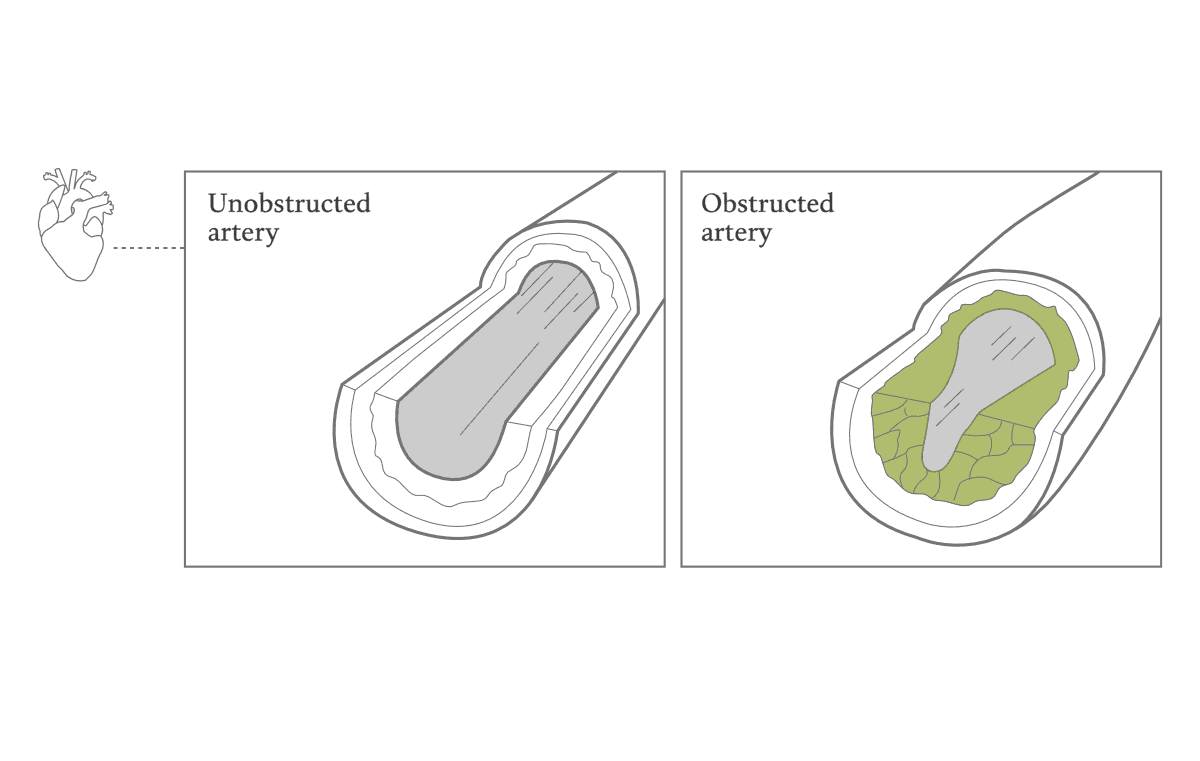
The best way we have today to get a glimpse of this silent process is through a special computed tomography scan that can detect calcium deposits in the walls of the arteries. Not because calcium itself is the problem, but because it serves as a trace of the damage accumulated over time. The more calcium is found, the greater the atherosclerotic burden tends to be and, with it, the risk of future cardiovascular events. When this method was used to assess the arterial health of urban populations, researchers found that most adults already had some degree of arterial calcification, and a significant proportion had levels consistent with a high risk of heart attack, despite never having had symptoms. By contrast, when the same method was applied in communities such as the Tsimane, the picture was radically different: the vast majority had arteries that were practically clear. Even at advanced ages, many of them showed no detectable signs of atherosclerosis. When researchers compared what is known as vascular age, they found that a 70- or 80-year-old Tsimane had arteries similar to those of an urban-dwelling person several decades younger.
The Tsimane's remarkable cardiovascular health is not explained by privileged genetics. Their bodies are not different, nor are they mysteriously protected against modern diseases. Although there is some genetic predisposition to one disease or another, it is largely the environment and way of life that ultimately tip the balance. Seen this way, the Tsimane are not healthier because they do anything extraordinary, but because they never stopped doing what was normal for our species for nearly all of its history.
Until just a few hundred generations ago, all human beings were hunter-gatherers. And if we go a little further back in time, to about 80,000 years ago, the ancestors of all humanity lived exclusively in Africa. In other words, most of our evolutionary history unfolded on that continent, in small human groups that moved, hunted, gathered, and organized themselves in ways very different from modern urban life. So if we want to understand how a “normal” human body worked, we inevitably have to look to hunter-gatherer societies, especially those living in arid and tropical regions of Africa. Studying them, however, is not easy. The hunter-gatherer way of life has almost disappeared, and only a few groups persist in remote regions of the planet. Almost none live completely isolated from the modern world or maintain a way of life identical to that of their ancestors. All the communities available for study trade with neighboring farmers, smoke tobacco, and are undergoing such rapid change that, within a few decades, they will no longer be hunter-gatherers. Even so, they remain one of the best windows available to us onto our recent evolutionary past.
Among the most studied groups are the Hadza, a hunter-gatherer population living in a hot, arid region of northern Tanzania, on the same continent where our species evolved. In recent decades, researchers have analyzed practically every imaginable aspect of their lives: how they eat, hunt, walk, sleep, form relationships, and grow older. The body of research has revealed the remarkable vitality many Hadza people maintain throughout their lives. This flies in the face of a widespread idea in Western culture: that people who live outside of so-called “civilization” die young and lead harsh lives marked by hunger, violence, and disease. Part of this prejudice rests on a real but misinterpreted statistic: life expectancy at birth in these populations is usually around 30 or 40 years. What is rarely made clear is that this figure is heavily influenced by high infant mortality. Once people get through childhood and adolescence, the picture changes completely. In fact, about four out of every ten people reach the age of 45, and from then on, many live to 70 or 80, often in surprisingly good health.
In Hadza communities in Tanzania, older adults maintain higher levels of physical activity than many young urban people, allowing them to retain remarkable endurance and muscular strength. While in our cities life after 60 often becomes a stage marked by pain, dependence, and loss of autonomy, older people in these communities remain active: they walk, hunt, gather, cook, and care for their grandchildren. Hadza grandmothers, for example, gather for an average of six hours a day, even more than young mothers, making an enormous contribution to the family diet. Hadza grandfathers, for their part, help build shelters and teach children to find their way through the forest and track animals. In these communities, active aging is not the exception but the norm, and that says a great deal about our biology. In fact, human longevity appears to be a deeply rooted feature of our bodies because of the enormously important role grandmothers and grandfathers play in supporting families. It is no wonder, then, that hunter-gatherer adults have a lower prevalence of disease than people in modern urban societies.
Fortunately, those of us who don't want to give up the comforts of contemporary life—like a hot shower, a cup of coffee with friends, or a movie on a Saturday night—don't need to go hunting for antelope or climb trees to live healthier lives. The good news is that our bodies don't demand an exact replica of the past, just something more accessible. Eating real food, moving every day, getting enough sleep, learning to manage stress better, maintaining meaningful relationships, and avoiding substances such as tobacco and alcohol are not mere tips or optional habits. Of course, health does not depend on individual choices alone. Factors such as a healthy environment, economic stability, social cohesion, access to education, and quality healthcare systems also play a central role. Even within those constraints, however, these everyday habits are the fundamental pillars of a healthy, long life. The evidence supporting this is compelling. Two independent studies published in 2020, which followed hundreds of thousands of people over several decades, showed that those who maintained more of these pillars not only lived longer, but could enjoy, on average, up to ten additional years free of cardiovascular disease, cancer, and type 2 diabetes. It's not just about living longer, but about getting there in better shape. With more energy, more independence, and a greater ability to take an active part in life.A study published in 2025 and led by Laura Baker, part of the U.S. POINTER randomized clinical trial, evaluated the effects of a lifestyle-change program in older adults at risk of cognitive decline. The study showed that participants assigned to the intervention improved in cognitive function, overall health, and quality of life compared with those receiving a standard educational approach. These findings support the idea that adopting healthy habits can positively alter the course of health even at advanced ages.
But this is not only true of maintaining health and vitality; it also applies to recovering them. The body does not only become ill—it also tries to heal, all the time. Even when we don't notice, or when we think it can't go on, it keeps looking for ways back to balance. To do that, however, it needs room. And often, all it asks is not that we add something new, but that we stop getting in its way. Let's imagine something simpler. If you bang your little toe against the bedside table every day, the pain won't go away no matter how many painkillers you take or how much ice you put on it. Neither physical therapy nor increasingly complex interventions will solve the underlying problem. As long as you keep hitting it, your toe will keep hurting. But if you stop, your body doesn't need special instructions: your toe heals on its own. Not because you did anything extraordinary, but because you gave it the chance to heal. Health works much the same way: problems persist because, day after day, we keep exposing ourselves to the same harmful factors that are making us ill.
This logic can be applied even to serious conditions that for a long time were considered irreversible. Returning to the number-one killer, in most people it is a progressive disease that gradually damages the heart's ability to function properly. Depending on the degree of damage to the vascular wall, its effects can range from a silent decline in cardiac performance to acute events such as a heart attack. The traditional medical approach to this disease rightly focuses on reducing risks and preventing fatal outcomes through the use of various medications: drugs that lower LDL cholesterol to slow plaque formation, others that reduce heart rate to improve oxygen supply to the heart muscle, anticoagulants to reduce the likelihood of clots, and nitrates to relieve chest pain when the arteries are already compromised. When the disease progresses and the risk is high—or a heart attack has already occurred—invasive procedures such as angioplasty with stent placement or coronary bypass surgery are used to restore blood flow. Although these interventions are essential and have saved countless lives, their focus is mainly on addressing the symptom or emergency, not reversing the process that gave rise to the disease. Yet for more than thirty years, thanks to the work of physician Dean Ornish, we have known there is another path.
In one of his clinical trials, conducted in the late 1990s, Ornish and his team recruited 35 people with advanced coronary artery disease, many of whom already met the criteria for invasive procedures such as angioplasty with a stent or bypass surgery. Instead, the researcher randomly assigned the participants to two groups. In one group—the control group—patients continued the usual treatment prescribed by their cardiologist, which included medication and the standard recommendations of the time, such as reducing salt and saturated fat intake. In the other group—the experimental group—patients were invited to make a profound, intensive change to the way they lived. The program included a plant-based diet free of ultra-processed foods, daily aerobic exercise—such as walking or cycling—quitting smoking, practices to learn how to manage stress, and regular emotional-support sessions with their partners or close family members. The study lasted five years, and the results were striking. The people who took part in the lifestyle-change program not only felt better and had fewer symptoms, but, when their arteries were assessed using angiograms—a method that allows the condition of the coronary arteries to be seen precisely—a reduction in atherosclerotic plaques was observed. By contrast, the blockages progressed in the group that continued with the usual treatment. This difference had clear clinical consequences: the experimental group had less than half as many hospitalizations as the control group. For the first time, a rigorous design and long-term follow-up showed that it was possible to stabilize and even reverse coronary artery disease when the body is given the conditions it needs to repair itself.
These results opened the door to changing the approach to a wide range of diseases and restored something that had seemed lost for a long time: the possibility of improvement. In the case of type 2 diabetes, for example, it is even possible to achieve sustained remission, with normal glucose levels and no medication. For a disease considered progressive and irreversible for decades, and affecting nearly 500 million people worldwide, that is no small thing. In other conditions, such as some autoimmune, metabolic, endocrine, oncological, and neurodegenerative diseases, adopting healthy lifestyle habits may not always reverse the condition completely, but it can slow its progression, reduce complications, improve responses to treatment, and tangibly enhance quality of life. In some cases, these interventions even change the long-term prognosis. Of course, the impact is not the same for everyone. It depends on when the process begins, the body's reserves, each person's history, and the support available to sustain the changes. Even so, the central message remains. Even in complex situations, the body retains some capacity to adapt and repair. And there is almost always something that can be done to feel better.
Since body and mind form an indivisible, deeply intertwined whole, it is no surprise that this same logic can also apply to many psychological conditions. As with physical diseases, genetic variants exist that increase vulnerability to certain psychiatric disorders. In most cases, however, that predisposition is not enough. The disorder usually requires intense, repeated, or prolonged stressful events to manifest—events capable of pushing the body beyond its capacity to adapt. From this perspective (as we will see later), mental disorders are understood not simply as localized failures in the brain, but as expressions of a dysregulation involving the body as a whole. And when we look at the problem this way, it also makes sense to broaden our toolkit. So although psychotherapy and psychotropic medication are central pillars of treatment and their value is indisputable, it is increasingly clear that they are not always enough on their own. Healthy habits are not a decorative add-on, but a fundamental biological support for the therapeutic process.During an infection, the immune system releases compounds that circulate in the blood and can cross the blood-brain barrier, such as interleukin 6 and tumor necrosis factor alpha. Once inside the brain, these substances influence the activity of neural networks involved in mood, motivation, and energy regulation. The result is the so-called sickness behavior (or behavioral response to illness), a condition characterized by fatigue, apathy, social withdrawal, irritability, and reduced appetite, which overlaps substantially with depressive symptoms. Based on this evidence, it has been proposed that chronic, low-grade systemic inflammation—common in contexts of sustained stress and dysfunctional lifestyles—may contribute to the development, persistence, and severity of some psychiatric disorders.
Paradoxically, meeting their biological needs is especially difficult for many people with mental health problems. Not because they lack willpower, but because the disorder itself often comes with a progressive disconnection from the body. Changes in the perception of internal signals, persistent fatigue, apathy, anhedonia, anxiety, or states of hypervigilance can make eating better, moving, resting, or maintaining basic routines feel like an uphill struggle. Tobacco and other psychoactive substances, the side effects of some psychiatric medications, and, in many cases, adverse social conditions that further limit people's room to act are often part of the picture too. Even so, when these needs begin to be addressed gradually, realistically, and with support, changes start to appear. This was clearly demonstrated in a 2023 study by Mario Luciano involving people with severe mental disorders, such as schizophrenia, bipolar disorder, and major depressive disorder. In the study, one group of participants continued their usual treatment and attended counseling sessions on healthy lifestyles, while another added a structured year-long intervention to change their habits. The program included group sessions promoting physical activity, healthy eating, and smoking cessation, as well as teaching strategies for addressing challenges that arose along the way. After twelve months, those who took part in the intervention showed improvements not only in physical measures—such as aerobic capacity, body composition, and some metabolic markers—but also in their mental health, with reductions in depressive and anxiety symptoms, alongside improvements in everyday functioning and quality of life.
Just as the processes that undermine health build up drop by drop, the process of repair can also begin with a small gesture. Listening to a symptom as a message rather than a failure helps us leave behind the logic of waging war on a supposed enemy and enter into a more honest conversation with ourselves. A conversation in which we accept that discomfort is a sign that something in the way we live needs to be reconsidered—a body's plea for attention when it can no longer adapt to certain conditions. But this should not be a reason to blame or judge ourselves, much less to fall into the opposite extreme, where health becomes a rigid, unattainable goal we must pursue at all costs. Health is a dynamic, deeply human process, full of nuances, mistakes, and lessons. Because when we understand that illness does not come out of nowhere, but takes shape over time, we also understand that well-being is not imposed; it is cultivated.
Every time we talk about health, there’s a temptation to look for shortcuts. Something that can be bought, put into capsules, and dosed. In a tired, rushed, overstimulated world, the promise of a quick fix is almost irresistible. At the same time, many people don’t want to take medication. Some know it can cause adverse effects, others distrust modern medicine, and still others simply feel that medications don’t offer the answers they’re looking for. In that ambiguous territory—where there’s no clear, visible, diagnosable illness, but no sense of well-being either—nutritional supplements appear to offer a tempting way out.
They’re often presented as natural alternatives, free from the conflicts of interest of the pharmaceutical industry and, apparently, safer. But the reality is much murkier. To begin with, supplement use has become an increasingly common cause of liver damage—even in young and previously healthy people—to the point that it accounts for 15% to 20% of cases of drug-induced liver injury. Some of the best-documented examples include concentrated green tea extracts, used for “detox” purposes; ashwagandha, promoted for stress management; and red yeast rice, used to lower cholesterol. Not because they’re “poison,” but because several products are often combined, at uncertain doses, for months or years, with no supervision at all. There’s another problem, quieter but no less important: quality control. Unlike medications, supplements circulate in a much less regulated space, with considerably lower regulatory requirements. In practice, that means no one checks with the same rigor that what the package promises is exactly what ends up reaching the body. So it’s not unusual for the label not to match what’s inside. In the best-case scenario, a supplement simply contains harmless ingredients such as cornstarch, maltodextrin, or other cheap fillers. The risk arises when that lack of oversight stops being harmless and potentially toxic substances come into play. Protein isolates and various supplements aimed at physical performance are a separate issue. While many meet appropriate standards, others have been found to be contaminated with mycotoxins resulting from improper storage of raw materials, traces of heavy metals such as lead and cadmium, and, in some cases, deliberately adulterated with anabolic steroids to artificially boost their effects. Consumers think they’re taking protein, but sometimes they’re ingesting something entirely different.
This doesn’t mean all supplements are useless. Some are backed by solid evidence of benefit in humans, such as creatine and omega-3 fatty acids. Other supplements fall into a grayer area. Substances such as resveratrol and berberine show plausible mechanisms and interesting preliminary results, but clinical evidence in humans is still limited. The problem arises when supplements take on a role that isn’t theirs. Even in the best-case scenario, their benefits are usually modest compared with the basics. Yet many people take creatine to improve physical performance while sleeping five hours a night; use ashwagandha to “manage stress” but keep scrolling on Instagram until two in the morning; or take probiotics to ease digestive symptoms while eating processed meats every day. When supplements stop being thought of as an add-on and start taking the place of habits we don’t want to change, the ground is fertile for any promise. And that’s when the other products appear: the ones that haven’t shown clear benefits but are still sold as universal solutions. From miraculous “detox” products and immune-system boosters to formulas for “balancing hormones” or “resetting metabolism.” Attractive, vague concepts that are difficult to measure and very easy to sell. The list is endless.
All this is happening within an industry that generates hundreds of billions of dollars a year. Some time ago, while attending a well-known nutrition conference in Argentina, I went to hear a talk about the use of multivitamin and multimineral supplements. It began with a widely accepted claim: these supplements can be useful when there are nutritional deficiencies, diets lacking variety, or situations of increased physiological demand—such as pregnancy, old age, or certain illnesses—but their routine, indiscriminate use in healthy populations has not been shown to provide clear benefits for disease prevention. So far, nothing to object to. But the speaker went a step further and argued that everyone would benefit from taking them every day. To support that claim, she cited a study with, she said, very favorable results. The reference caught my attention, so I immediately looked it up to read it more closely. To my surprise, it wasn’t an experiment evaluating the effects of these supplements in humans or animals, but a survey of health professionals in India, asking them what they thought about their use. In other words, it measured their perceptions. I felt a mixture of disappointment and anger at the thought that the room was full of nutritionists eager to learn and that more than one of them would leave with misinformation. I’d arrived late to the talk and couldn’t hear the speaker’s opening presentation, but in the end her credentials made everything clear: she worked for Bayer, a well-known pharmaceutical company that makes multivitamins.
Moreover, in the absence of strict regulation, the supplement industry finds social media an especially fertile ground for expansion. Influencers, wellness gurus, and charismatic figures promote routines, powders, and capsules with grandiose claims, often wrapped in technical language that sounds like science but is rarely backed by solid evidence. One of the best-known cases is Bryan Johnson, a 46-year-old multimillionaire who launched Blueprint in 2021, a project presented as philanthropic and aimed at understanding and stopping aging. The idea was to experiment on himself with everything modern medicine had available to “rejuvenate”: constant medical checkups, frequent invasive tests, more than a hundred pills a day, including medications and supplements, and an annual investment of several million dollars. In the name of longevity, he even underwent blood transfusions from his own son, on the promise of a supposed rejuvenating effect. Over time, the project took on an almost epic tone. For many of his followers, Johnson wasn’t just someone experimenting on himself, but a mix of technological martyr and modern adventurer, willing to sacrifice his own body for the good of humanity. Blueprint was promoted as a public experiment, since anyone could follow his “progress” through videos and charts shared on social media and on his YouTube channel, where it was shown how his body was getting younger before our eyes.
But on closer examination, many of the results he showcases can be explained by interventions that are far less spectacular and much more familiar: sleeping well, exercising regularly, eating healthily, and sticking to stress-management strategies. A good example is one of the indicators Johnson is proudest of: the “rejuvenation” of his heart. This aspect of his health was evaluated based on the maximum number of beats per minute his heart could sustain during intense exercise, a physiological measure that tends to decline over time. Over a relatively short period, he showed a marked increase in that value, presented as a sign of cardiovascular rejuvenation. However, this kind of improvement is explained quite directly by sustained aerobic training, something well known in exercise physiology for decades, and not necessarily by the specific effect of an expensive cocktail of supplements or extreme interventions. Blueprint presented itself as a scientific project, full of terms like “data,” “progress,” and “measure and quantify,” but it turned out to be window dressing for what ultimately became a business. It wasn’t long before the project led—as many of us suspected—to the sale of supplements, “functional” foods, and even olive oil.
The phenomenon, however, isn’t limited to people looking for answers in capsules. The need to find a simple formula for staying healthy also pushes others toward the opposite extreme: the idealization of a supposed ancestral past, presented as a lost biological truth that all we need to do is reclaim. In most cases, the starting point is genuine. The desire to eat better, move more, sleep well, and reconnect with the body usually comes from good intentions and—as I’ll explain throughout the rest of this book—is backed by solid evidence. The problem arises when that healthy impulse becomes dogma. People try to imitate an idealized model of our ancestors, as if there were only one right way to live in balance. The curious thing is that this “ancestral lifestyle” rarely resembles what we see among hunter-gatherer tribes. So, in trying to get back to basics, many people end up chasing a caricature of the past. The disguise changes, but the promise is the same: a simple, almost magical solution to a complex problem.
At the other extreme is an equally famous figure, though for very different reasons. Curiously, his name was also Brian Johnson, though he was better known as the Liver King. He’s a Texas businessman who went viral in 2021, showing off a heavily muscled body while eating raw meat, liver, and other animal organs (hence his nickname, the “Liver King”). One of his most repeated lines was: “Who needs vegetables when you have testicles?” His message was as simple as it was seductive. He preached a supposed “ancestral life” based on nine principles that, according to him, represented how our ancestors lived. In his videos, he appeared almost always shirtless, training outdoors, lifting rocks, walking barefoot, plunging into the snow, or breathing cold air at dawn, while insisting his bulky physique was the direct result of living that way. All completely natural. The story didn’t just inspire. It also sold. If you wanted, you could follow his lifestyle on your own. But if you needed help, he’d guide you through the process—for a fee—with consultations, programs, and, of course, supplements. His wife—the Liver Queen—happened to own the brand that sold them. Business was going well until private emails leaked in late 2022 in which Johnson himself admitted to spending more than $11,000 a month on anabolic steroids such as testosterone and growth hormone. The house of cards came crashing down within hours. At first, he said it was because his demanding business life left him with no energy for his family, but later he ended up confessing it all. He admitted that he had lied, that his physique wasn’t natural, and that he had created the character to sell his brand. But he did it with good intentions…
Stories like this help us see the whole pattern. In both the world of supplements and that of “ancestralism,” the problem isn’t the original intention, which is usually genuine, but the drift toward rigid, simplified, marketable solutions. In one case, health is promised in capsules; in the other, through bodily dogmas and epic narratives about an idealized past. The symbols change, but the promise is the same: that there’s a clear, quick, universal shortcut to feeling well. But the path to health is neither one nor the other. What we can be fairly certain of is something far less glamorous and far less marketable, but it works. It works for healthy people and sick people, for physical problems and mental health struggles. To live longer and, above all, to have a better present. Our bodies were shaped over millions of years for a different kind of life. A life that included direct contact with the earth, sunlight during the day and real darkness at night, deep and lasting relationships, seasonal, unprocessed food, a diversity of bacteria, physical exertion, play, rest, and silence. Even though we no longer live in caves or go hunting with spears, those expectations are still alive in every one of our cells. If we want to cultivate a healthy life, we need to reconnect with what’s good for us. This isn’t about idealizing the past or rejecting the advances of civilization, but about reclaiming, in today’s world, some essential things we’ve left behind.
This is Chapter 0 of What the Body Knows. Along with theoretical concepts, this project offers you exercises to practice concrete tools that will help you understand your body, take care of your health, and feel better.

Teoría y práctica para entender cómo sentirte mejor y efectivamente empezar a hacerlo.
Incluye:
- Lo que el cuerpo sabe
- Lo que el cuerpo sabe | Cuaderno de ejercicios para sentirte mejor

¿Qué nos pide nuestro cuerpo para estar saludable? ¿Podemos darle lo que necesita? Un libro con herramientas de la medicina del estilo de vida y la medicina evolutiva para entendernos y sentirnos mejor.
296 páginas. Impresión a dos tintas (negro + Pantone). 15 x 21 cm. Interior en papel bookcel de 80 gramos, cubierta en papel ilustración mate de 300 gramos, acabado con sello en bajorrelieve.
Biografía del autor:
Ezequiel Arrieta es Médico y Doctor en Ciencias Biológicas por la Universidad Nacional de Córdoba. Desarrolla su práctica clínica desde una perspectiva integral, combinando alimentación, movimiento, psicoterapia y herramientas farmacológicas de distinto tipo. Es editor de Un libro sobre drogas (EGLC, 2017) y Las olas (EGLC, 2022), coautor de Clima (EGLC, 2022) y autor de La invención de la comida (EGLC, 2023).

Un cuaderno con herramientas prácticas de la medicina del estilo de vida. Ejercicios sobre tu relación con la alimentación, el descanso, el estrés y el movimiento. Creado por el Doctor Ezequiel Arrieta, para cuidar el cuerpo y sentirte mejor.
192 páginas. Bajorrelieve y bordes redondeados. Encuadernación cosida. 14x19cm.
Biografía del autor:
Médico y Doctor en Ciencias Biológicas por la Universidad Nacional de Córdoba. Desarrolla su práctica clínica desde una perspectiva integral, combinando alimentación, movimiento, psicoterapia y herramientas farmacológicas de distinto tipo. Es editor de Un libro sobre drogas (EGLC, 2017) y Las olas (EGLC, 2022), coautor de Clima (EGLC, 2022) y autor de La invención de la comida (EGLC, 2023).

¿Qué nos pide nuestro cuerpo para estar saludable? ¿Podemos darle lo que necesita? Un libro con herramientas de la medicina del estilo de vida y la medicina evolutiva para entendernos y sentirnos mejor.
Formatos .epub y .mobi.
Biografía del autor:
Médico y Doctor en Ciencias Biológicas por la Universidad Nacional de Córdoba. Desarrolla su práctica clínica desde una perspectiva integral, combinando alimentación, movimiento, psicoterapia y herramientas farmacológicas de distinto tipo. Es editor de Un libro sobre drogas (EGLC, 2017) y Las olas (EGLC, 2022), coautor de Clima (EGLC, 2022) y autor de La invención de la comida (EGLC, 2023).